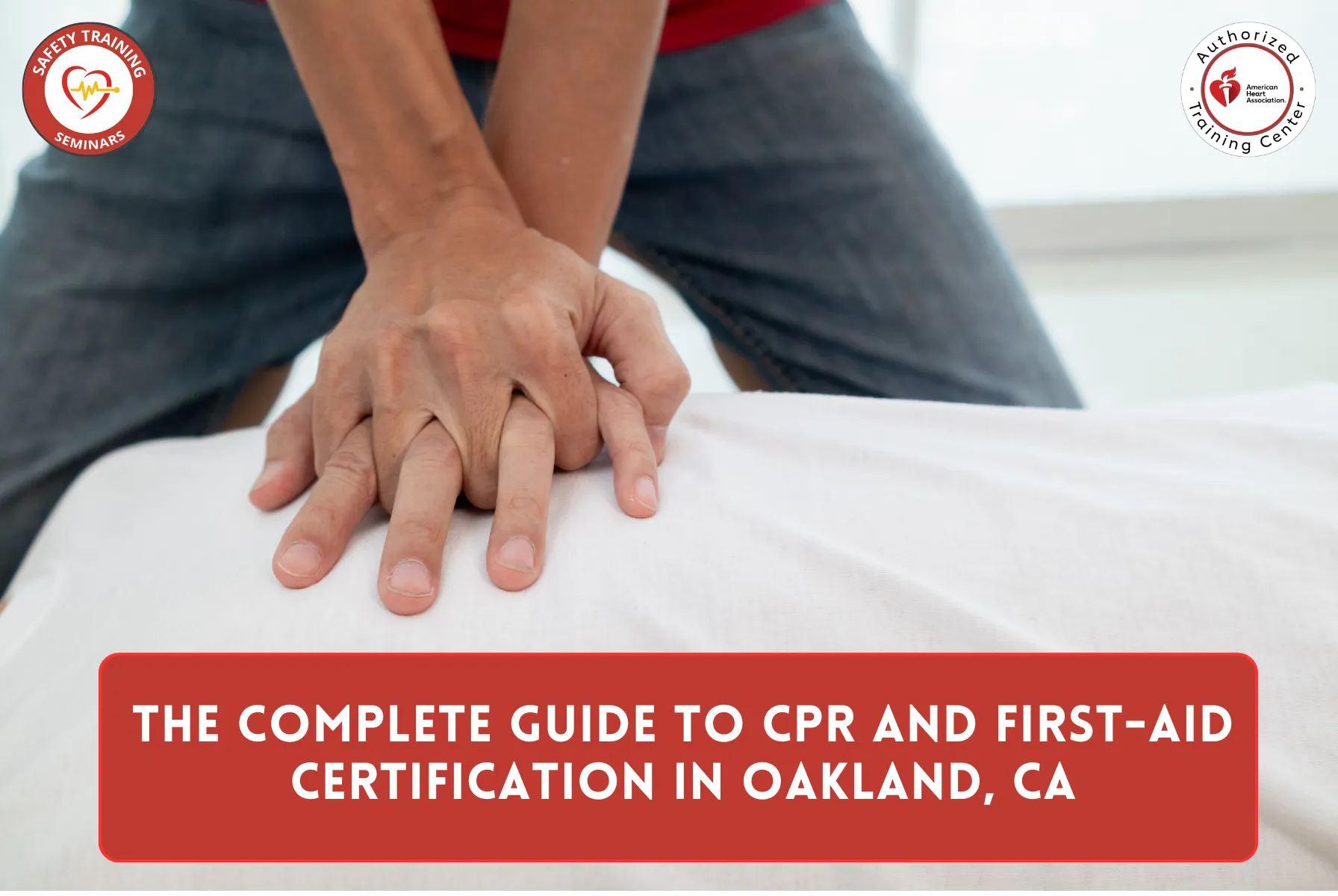
Grand Avenue is busy most mornings — coffee lines outside the shops near the Grand Lake Theatre, commuters heading toward I-580, and just as often, someone rushing between shifts at one of the hospitals clustered a few miles away. Oakland runs on healthcare work. Between Kaiser Permanente’s Oakland Medical Center, Alta Bates Summit, Highland Hospital, and UCSF Benioff Children’s Hospital, there’s a constant need for people who know how to respond when a heart stops or breathing fails.
That’s really why so many people search for a CPR and First-Aid Certification Course in the first place. Maybe a job posting requires it. Maybe a nursing program starts next month. Maybe you just watched a coworker collapse and realized you froze instead of acting. Whatever brought you here, the good news is that getting certified doesn’t have to eat your whole week.
That’s where a local option matters. Safety Training Seminars runs hands-on, AHA-aligned training right in Oakland, with real instructors, real manikins, and a certification card you can actually use for work or school — not a printout from a course you half-watched on your phone.
Quick Facts Before You Book
| Feature | Details |
| Certification issued | American Heart Association (AHA) |
| Same-day eCard | Yes |
| Evening & weekend sessions | Yes |
| Format | Online modules + in-person skills check |
| Courses offered | CPR, BLS, ACLS, PALS, NRP, First Aid |
| Accepted by hospitals & employers | Yes |
| Group / corporate training | Yes |
Why an In-Person Course Still Matters
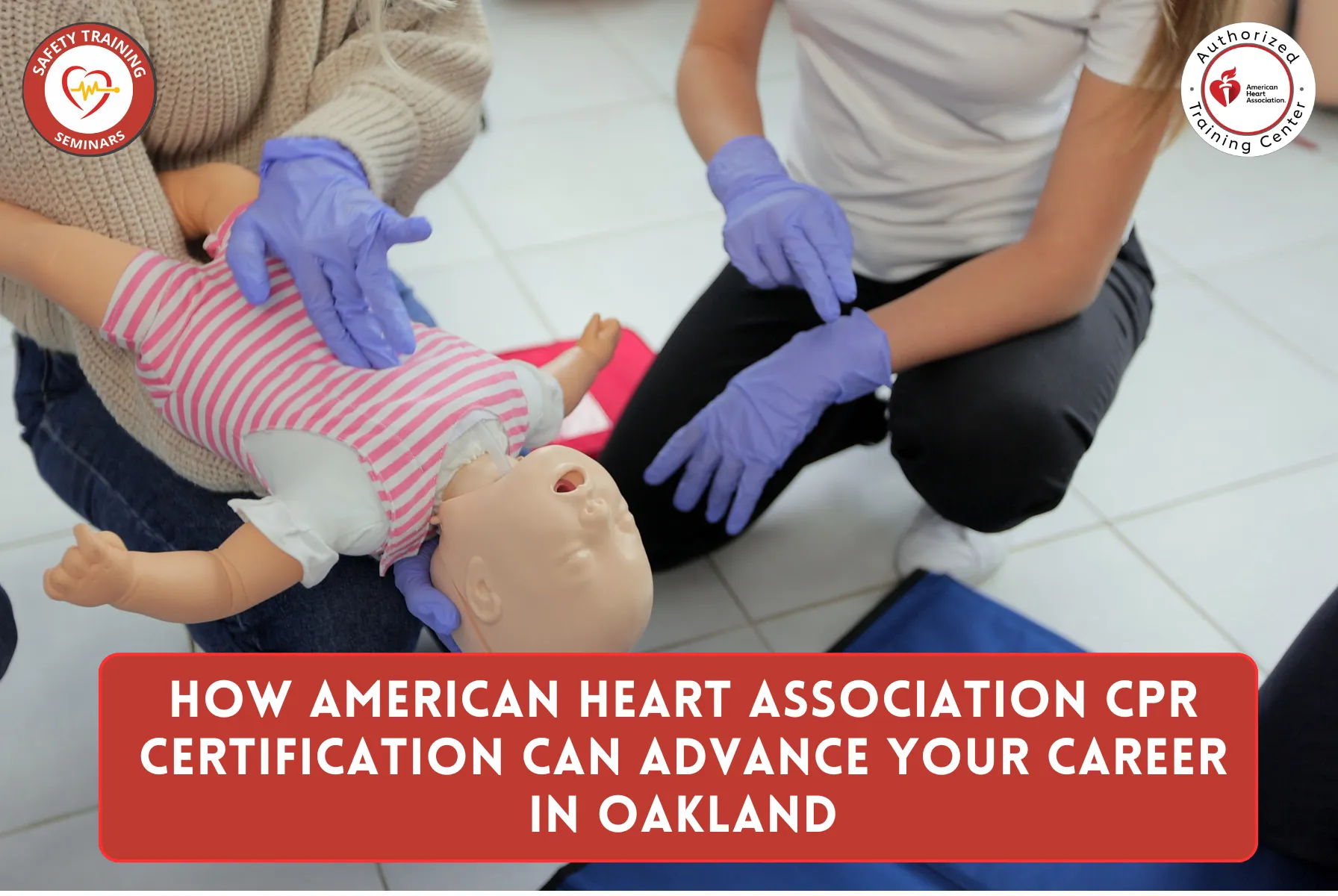
A fully online CPR card sounds convenient until an employer or clinical instructor rejects it because there’s no hands-on skills check attached. Hospitals, nursing schools, and most licensing boards want to see that you’ve actually practiced compressions on a manikin, cleared an airway, and used an AED under supervision — not just clicked through slides.
A local <a href=”https://cprclassesoakland.com/bls-certification-classes-oakland/”>American Heart Association BLS Certification</a> course solves that. You do the cognitive part online at your own pace, then show up for a short in-person skills session where an instructor checks your technique and signs off. It’s faster than a full classroom day, but it still meets the same clinical and workplace standards.
What You’ll Actually Learn in Class
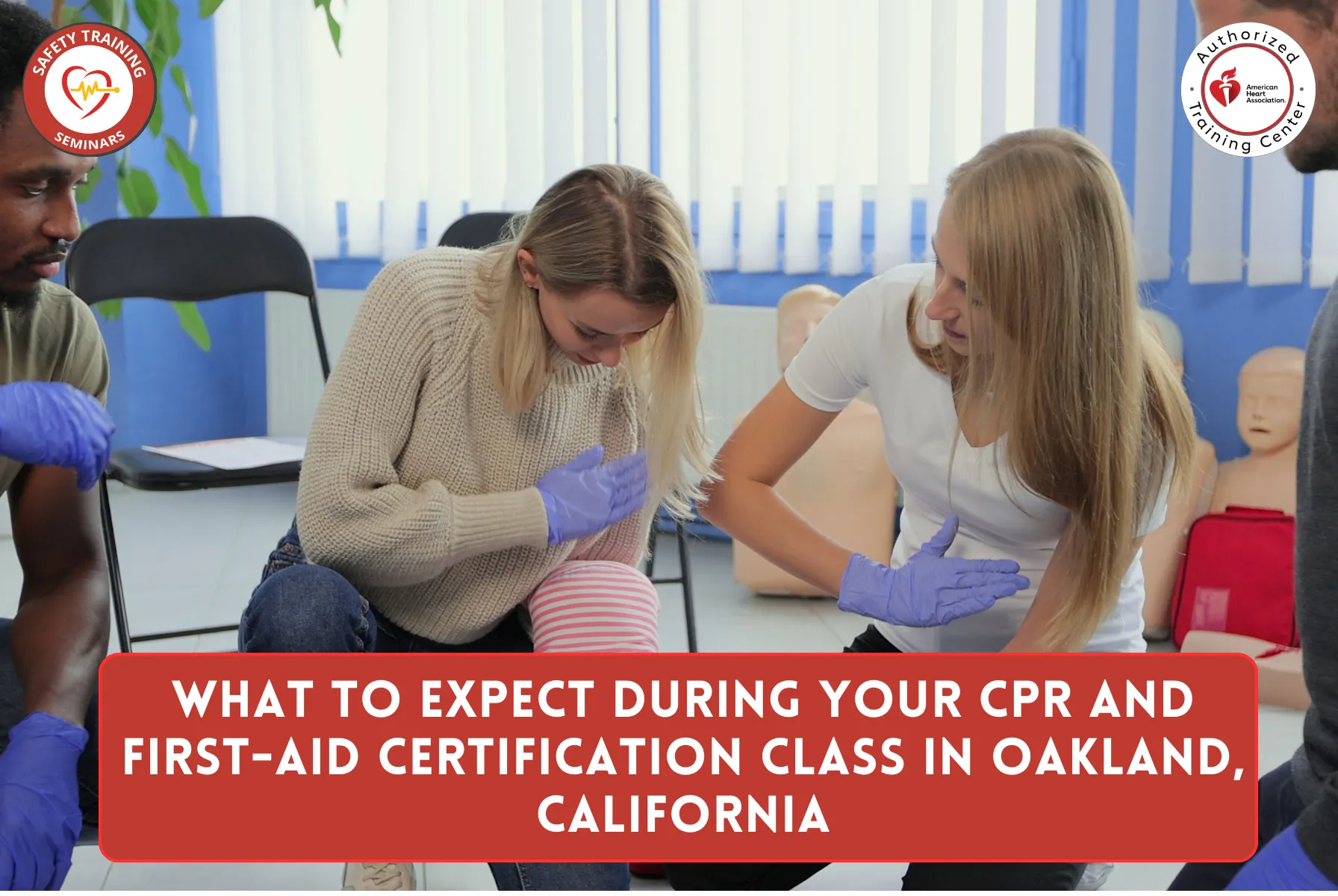
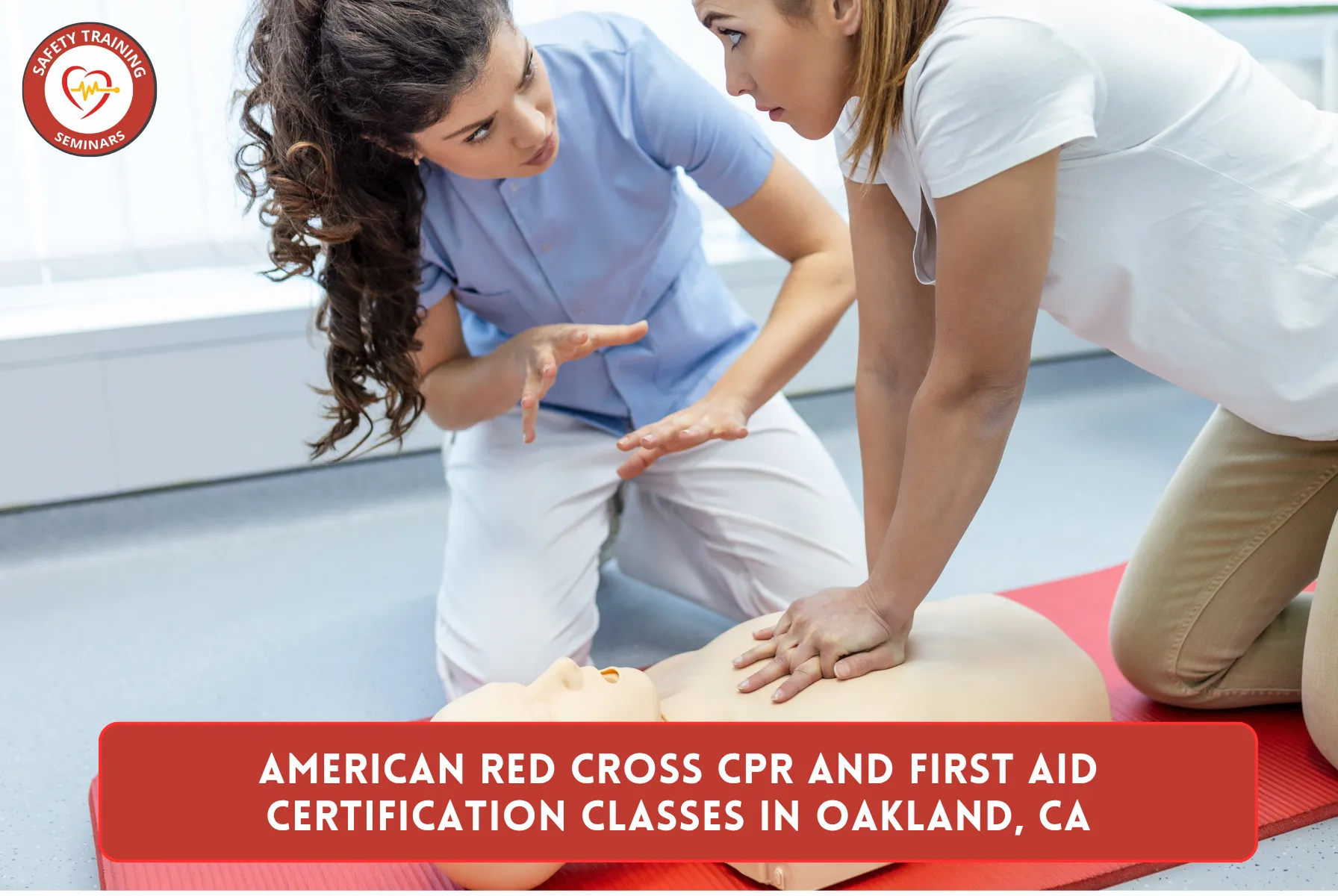
Every course is built around scenarios, not just theory. Expect to work through:
- Adult, child, and infant CPR technique
- AED setup and use during a real cardiac event
- Choking response for conscious and unconscious victims
- Team-based CPR, including how to rotate compressors without losing rhythm
- A hands-on skills test before you’re signed off
Picture a nursing student at Samuel Merritt University two weeks before her first clinical rotation. She’s memorized the compression ratios, but she’s never actually felt how much force real compressions take, or how quickly your arms tire during two straight minutes. That’s exactly the gap in-person training closes — and it’s why a CPR and First Aid Certification Course with a live instructor tends to stick better than a video ever will.
Who Actually Needs This Certification
Not everyone walking in has the same reason, and the courses reflect that:
- Nurses and nursing students — most programs require current BLS before clinical placement
- EMTs and medical assistants — need active certification to stay employed
- Dentists and dental hygienists — state boards often mandate CPR renewal
- Teachers and childcare providers — licensing usually requires infant/child CPR
- Coaches and personal trainers — liability and gym policy frequently demand it
- Security staff and front-desk teams — first responders in workplace emergencies
If you fall into more than one category — say, a dental hygienist who also coaches youth soccer on weekends — one certification covers both needs, as long as it includes the age-specific skills you require.
Choosing Between CPR, BLS, ACLS, and PALS
This is where people get stuck. A general CPR & First Aid Class in Oakland, CA is built for the public: teachers, coaches, parents, office staff. A BLS Certification Course in Oakland, CA goes further, adding team dynamics and provider-level protocols required for healthcare roles.
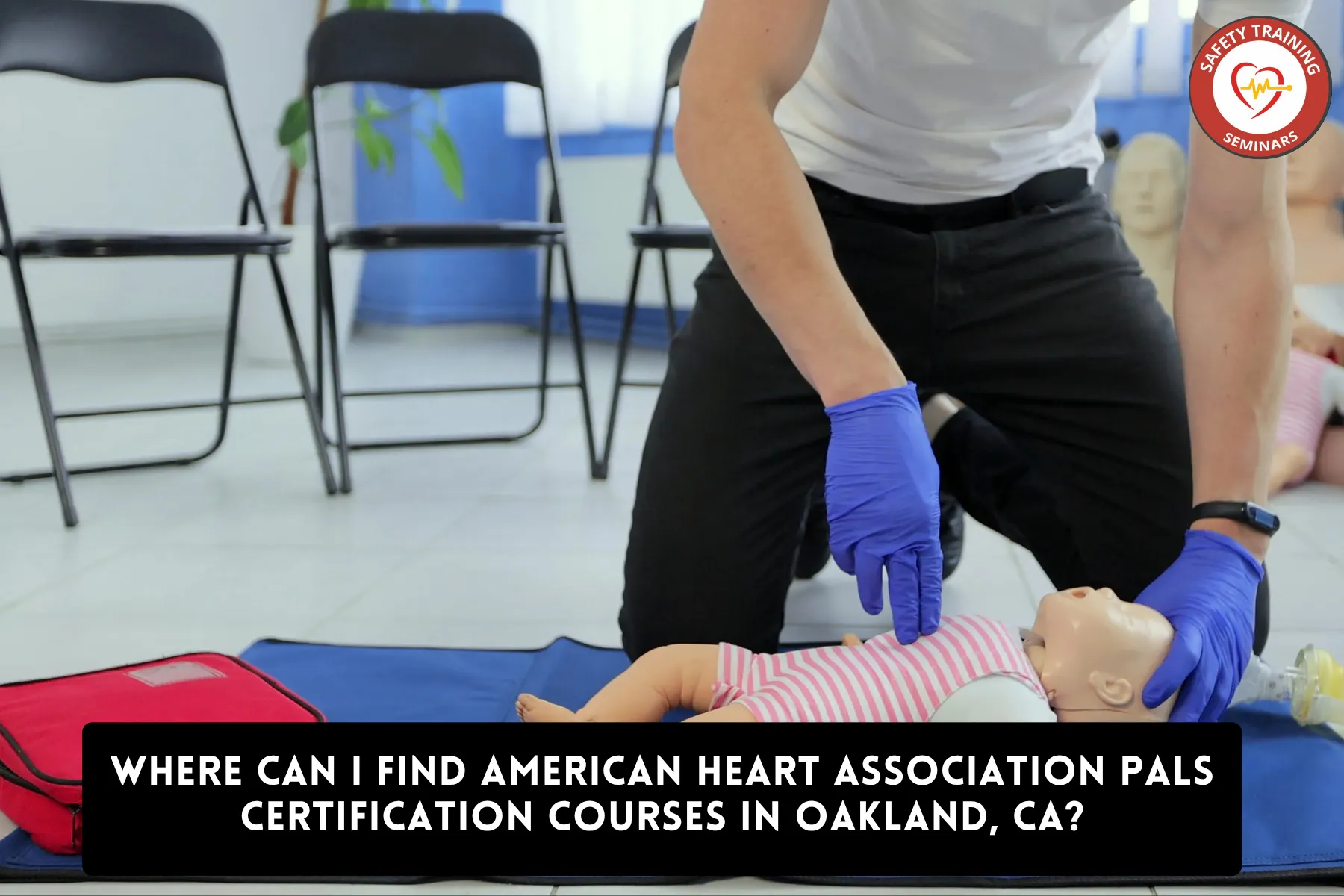
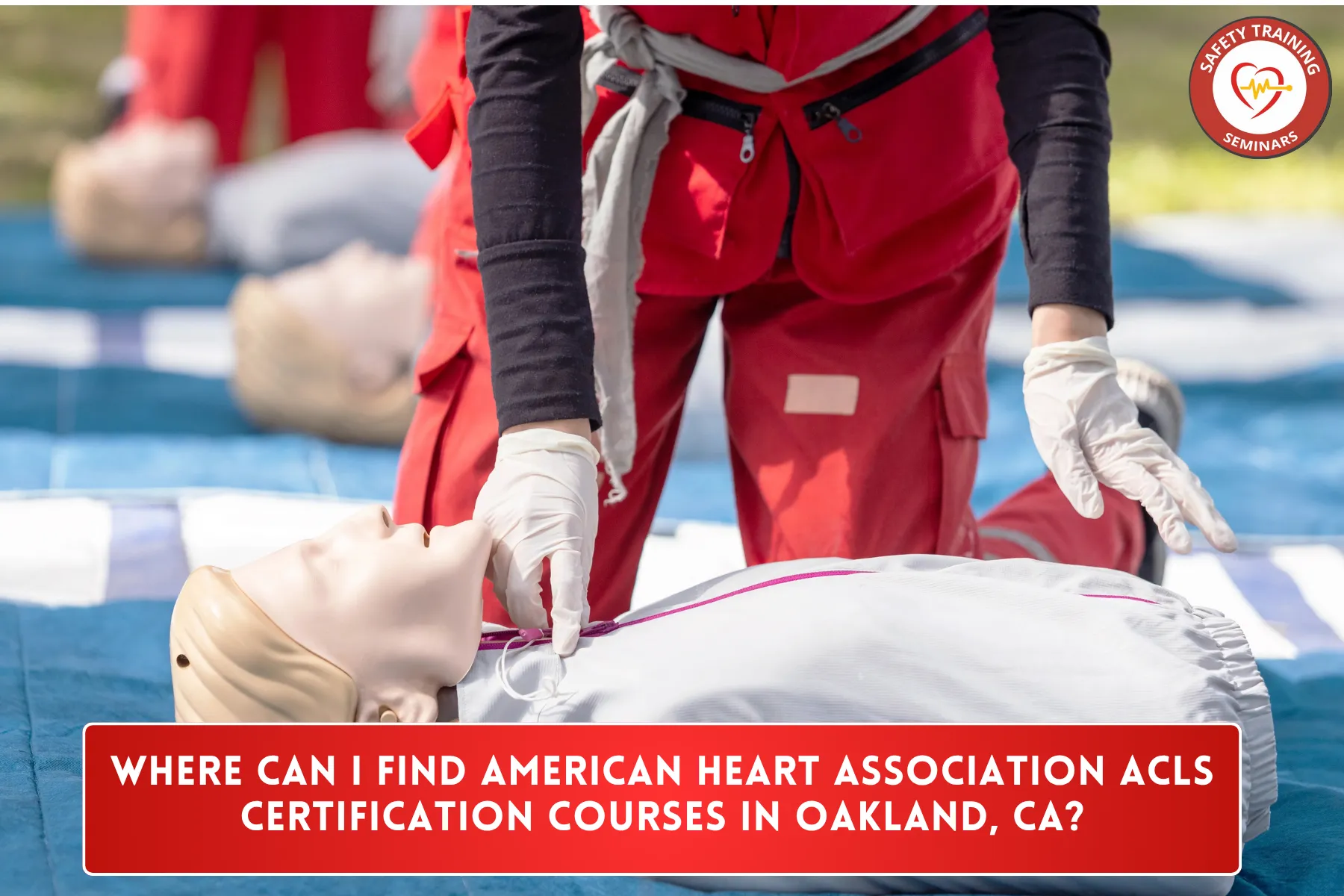
If you’re managing critical patients — think ER staff, paramedics, or ICU nurses — you’ll likely need the <a href=”https://cprclassesoakland.com/acls-certification-classes-oakland/”>ACLS Certification</a> course instead, which covers ECG interpretation, emergency pharmacology, and advanced airway management. Anyone working with pediatric patients typically needs PALS Certification training on top of that, since infant and child emergencies require different protocols entirely.
Local Access Makes a Real Difference
Oakland’s Grand Lake and Adams Point neighborhoods sit close enough to Downtown Oakland, Piedmont, and Lakeshore Avenue that scheduling around a shift or a class isn’t complicated. Someone finishing a night shift near Pill Hill can book a morning skills session before heading home. A Merritt College or Laney College student can fit a Saturday slot in between coursework without losing a weekday.
Safety Training Seminars also serves the wider Oakland area, with course access available through their location at 1953 Taraval St, Oakland, CA 94116, giving residents on either side of the city a nearby option for CPR, BLS, ACLS, PALS, NRP, and First Aid training.
How Registration and Certification Work
- Choose your course — CPR, <a href=”https://cprclassesoakland.com/bls-certification-classes-oakland/”>BLS</a>, ACLS, PALS, or First Aid
- Complete the online cognitive portion at home, on your own schedule
- Book a skills-check slot that fits your week, including evenings and weekends
- Attend the in-person session for hands-on practice and testing
- Walk out with a Same-Day CPR Certification eCard, valid for two years
Group rates and onsite corporate sessions are also available for clinics, dental offices, gyms, schools, and daycare centers that need to certify multiple staff at once.
Frequently Asked Questions
How long does BLS certification stay valid in Oakland? Two years from your completion date, matching current American Heart Association guidelines.
Can nursing students register before starting clinicals? Yes. Students frequently complete BLS ahead of their first rotation, and the certificate is accepted by nursing programs throughout the Bay Area.
Will my employer accept an AHA eCard from this training center? AHA certification is nationally recognized, so hospitals, clinics, schools, and most licensing boards accept it without issue.
Do I get my certification the same day I finish class? Yes — once you pass the skills check, your eCard is issued the same day, so there’s no waiting period before you’re cleared for work or school.
Can I renew before my current card expires? Renewal courses are available and typically move faster since you’re refreshing existing skills rather than learning from scratch.
Is the in-person skills session long? Most hands-on sessions run under an hour once the online modules are complete, which is part of why same-day certification is realistic.
Do you offer ACLS and PALS for hospital staff specifically? Yes, both are available for healthcare professionals managing critical or pediatric emergencies, following current AHA protocols.
What if my workplace requires group certification? Corporate and group training packages are available for teams, with onsite options for larger staff groups.
Getting Certified in Oakland Doesn’t Have to Wait
Between Grand Avenue traffic, hospital shifts, and school schedules, finding time for certification can feel like one more thing on a long list. A local course changes that math — online modules on your own time, a short skills check nearby, and a certification card in hand the same day you finish. Whether you need a first-time CPR card, a BLS renewal before a shift, or ACLS for critical care work, Oakland’s training options are built to fit around your week, not the other way around. Reach out to book your session and get certified without losing a weekend to it.