A hiring manager at a Grand Avenue clinic once told me she can spot an outdated resume in seconds: no current CPR card, no BLS renewal date, nothing. In healthcare, childcare, fitness, and dozens of other Oakland industries, that single line item can decide whether an application moves forward or gets set aside. A CPR certification course isn’t just a box to check before clinical rotations start. It’s often the difference between qualifying for a job and watching someone else get it.
Oakland’s job market makes this especially true. Between the hospitals clustered around Pill Hill, the nursing programs scattered from Fruitvale to MacArthur Boulevard, and the sheer number of schools, gyms, and care facilities packed into the East Bay, employers here expect current, AHA-recognized credentials. That’s exactly the gap Safety Training Seminars fills, with a training center at 164 Santa Clara Ave, Suite 6, in Oakland’s Adams Point neighborhood, just off Grand Avenue.
Quick Facts
| Feature | Details |
| Certifying Body | American Heart Association (AHA) |
| Same-Day eCard | Yes |
| Card Validity | 2 years |
| Class Formats | Classroom, blended online + skills |
| Weekend & Evening Classes | Yes |
| Accepted by Hospitals/Employers | Yes |
| Neighborhood | Adams Point, near Grand Ave & Lake Merritt |
| Parking | Available near the training center |
Why This Course Actually Moves Your Career Forward
Certification does more than satisfy a job posting requirement. It signals to an employer that you’ve already invested in the skills their onboarding process would otherwise have to teach you. For nurses, EMTs, and medical assistants, an AHA card is often a non-negotiable condition of employment. For teachers, coaches, and childcare staff, it’s frequently a licensing requirement rather than a suggestion.
There’s also a quieter benefit: confidence under pressure. The American Heart Association BLS Certification curriculum is built around realistic scenarios, not just memorized steps, so graduates walk into their jobs already comfortable leading a response instead of freezing during one.
Picture a nursing student a few weeks from her first clinical rotation at one of the hospitals near Pill Hill. Her program requires proof of BLS before she can set foot on the floor. Waiting until the week before the deadline is common, and it’s stressful. Getting certified early, at a training center minutes from campus, removes one more thing to worry about before rotations begin.
What You’ll Learn in Class
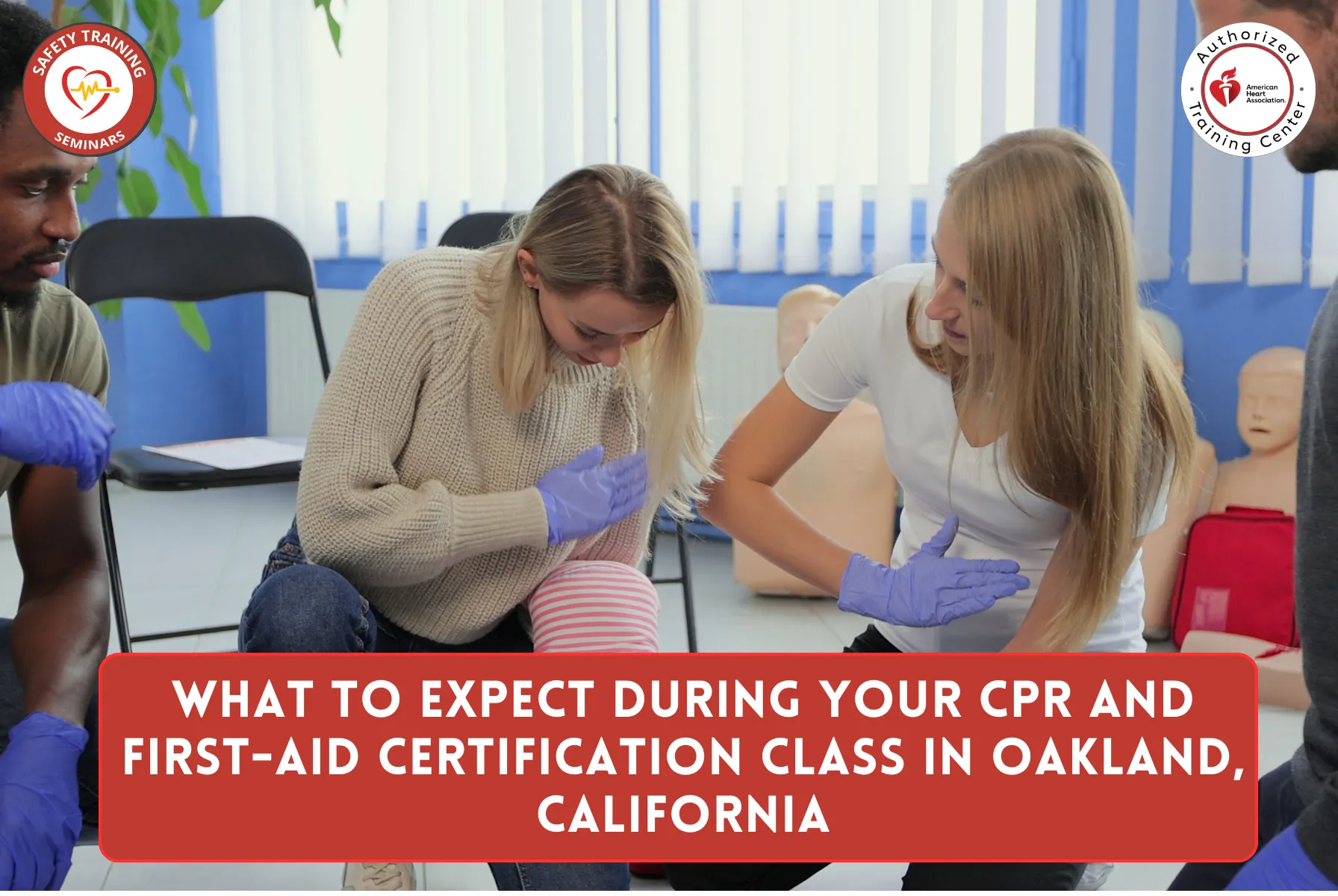
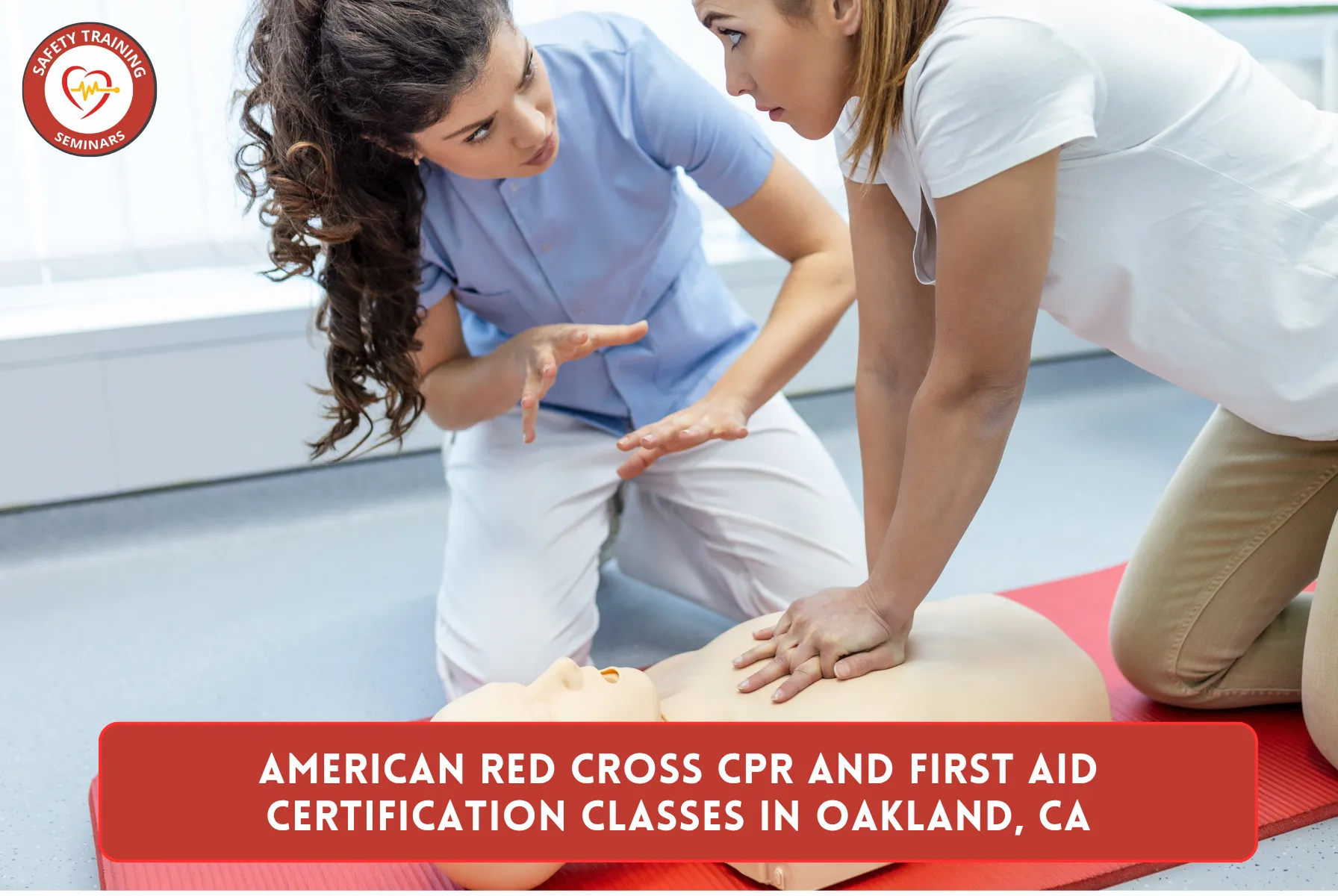
Courses at Safety Training Seminars combine online coursework with in-person, hands-on skills testing, so the material sticks rather than fades after the exam. Depending on the course, students work through:
- Adult, child, and infant CPR technique
- AED operation and placement
- Choking relief for all age groups
- Team-based response and communication during a resuscitation
- Rescue breathing and high-quality chest compressions
- A skills evaluation with an instructor before certification is issued
Courses run through CPR Certification Classes in Oakland for general and workplace learners, while healthcare staff typically need the more advanced Healthcare Provider BLS Course. According to the American Heart Association, high-quality bystander CPR performed immediately after cardiac arrest can double or triple a person’s chance of survival, which is part of why so many employers treat this training as essential rather than optional.
Who Needs This Certification
Not everyone needs the same course, but almost every Oakland professional in a people-facing role needs one of them.
- Nurses and nursing students typically need BLS before clinicals begin and ACLS for critical care assignments
- EMTs and paramedics rely on advanced-level certification as a baseline job requirement
- Medical and dental assistants are usually required to hold current BLS for employment
- Teachers and childcare providers often need certification for state licensing, not just workplace policy
- Coaches and personal trainers benefit from CPR/AED skills given the physical demands of their work
- Security staff and front-desk teams at gyms, offices, and event venues are increasingly asked to certify
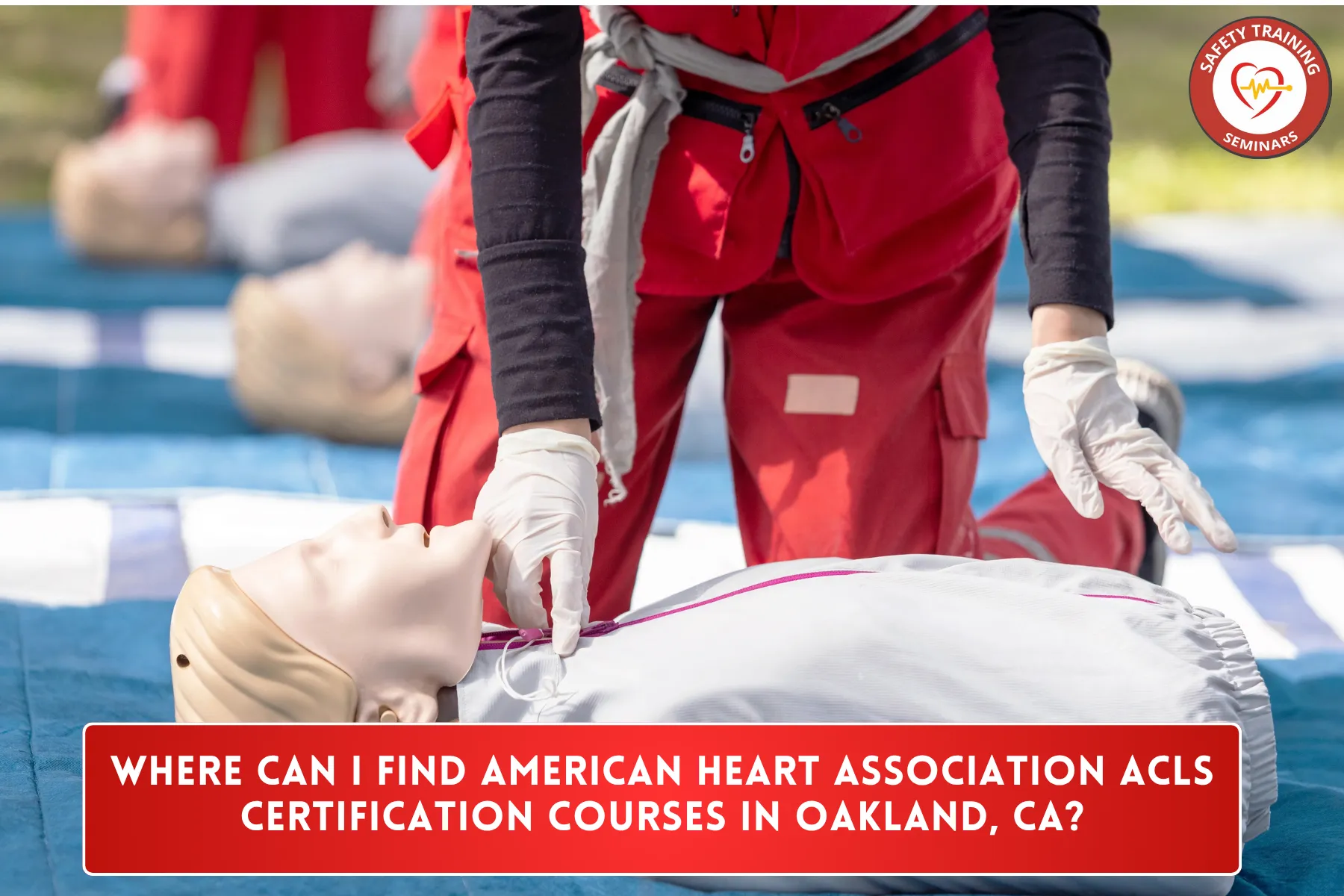
For advanced clinical roles, the ACLS Certification course covers ECG interpretation, emergency pharmacology, and advanced airway management, while pediatric-focused staff typically pursue PALS training for cardiac and respiratory emergencies specific to infants and children.
Nearby Employers and Why Location Matters
The Adams Point location puts the training center within easy reach of the medical corridor around Pill Hill, home to Alta Bates Summit Medical Center and several outpatient clinics. Staff commuting from Kaiser Permanente Oakland Medical Center on Broadway, or from urgent care clinics along Grand Avenue, can fit a class in before or after a shift instead of losing a day traveling across the bridge.
Students from nursing and CNA programs scattered through the Fruitvale and MacArthur corridors also find the Santa Clara Avenue location convenient, since it sits along the Grand Avenue business strip near Lake Merritt rather than tucked away in an industrial part of town. Easy access from I-580 and I-980 means the drive works whether you’re coming from Piedmont, Berkeley, or further out in the East Bay.
How Registration Works
Getting certified doesn’t require weeks of planning. The process is built to move quickly:
- Choose your course, BLS, CPR and First Aid, ACLS, or PALS, based on your job requirement
- Register online or complete any required online learning module at your own pace
- Attend the hands-on skills session at the Oakland training center
- Complete the skills check-off with an instructor
- Receive your AHA eCard, often the same day
Students who prefer more flexibility can also complete coursework through the Same-Day CPR Certification option, which pairs online modules with a quick in-person skills check rather than a full scheduled classroom session.
Frequently Asked Questions
How long does CPR or BLS certification stay valid? Certification cards are valid for two years from the completion date, matching current AHA guidelines.
Can nursing students enroll before their program officially requires it? Yes. Many students certify early to avoid scheduling conflicts once clinical rotations begin.
Will hospitals in Oakland accept this certification? AHA certification is nationally recognized and accepted by hospitals, clinics, and healthcare employers throughout the Bay Area.
Do I get my certification card the same day? Same-day eCards are available after you complete the hands-on skills session.
What’s the difference between BLS and ACLS? BLS covers foundational CPR, AED use, and team response for all healthcare workers. ACLS builds on that with ECG interpretation, medication protocols, and advanced airway management for critical care roles.
Can I renew before my card expires? Yes, renewal courses are available before your current certification lapses, and the process is faster than starting from scratch.
Is parking available at the training center? Yes, parking is available near the Santa Clara Avenue location in Adams Point.
Do PALS courses cover both infants and children? Yes, PALS training addresses pediatric cardiac and respiratory emergencies across infant and child age groups.
Ready to Get Certified?
Whether you’re a nursing student racing a clinical deadline, a teacher meeting a licensing requirement, or a healthcare professional whose card expired last month, putting it off doesn’t make the requirement go away. Safety Training Seminars keeps the process simple: convenient scheduling, a location minutes from Grand Avenue and Lake Merritt, and a same-day eCard once you finish your skills session. Visit the CPR Training Schedule to find a class that fits your week, or reach out to the Oakland training team to ask which certification your job or program actually requires.