A coworker collapses in the break room. A toddler starts choking at a Grand Lake Farmers Market stall. A patient codes in a clinic hallway before the paramedics arrive. None of these moments give you time to look up what to do. That’s the real reason so many Oakland residents start searching for a CPR and First Aid certification course — not because a job posting requires it, but because they’ve realized how fast an emergency actually moves.
Whether you’re a nursing student prepping for clinicals, a new hire at a dental office, or a parent who just wants to feel prepared, the question is almost always the same: how quickly can you actually get certified? The short answer is that most people in Oakland can complete their training and walk out with a card in a single class session — sometimes in under four hours. Here’s what that process really looks like.
Quick Facts: CPR Certification in Oakland
| Feature | Details |
| Certifying Body | American Heart Association (AHA) |
| Same-Day eCard | Yes |
| Class Formats | In-person and blended online/skills |
| Weekend Classes | Yes |
| Accepted by Hospitals & Employers | Yes |
| Certification Valid For | 2 years |
| Course Options | BLS, ACLS, PALS, CPR & First Aid |
Why Speed Actually Matters Here
Cardiac arrest doesn’t wait for a shift change or a convenient afternoon. According to the American Heart Association, survival rates from out-of-hospital cardiac arrest drop significantly for every minute that passes without CPR, and bystander action in those first few minutes can double or triple a person’s chance of survival. That statistic is exactly why fast, accessible training matters more than a slow, multi-week course full of homework.
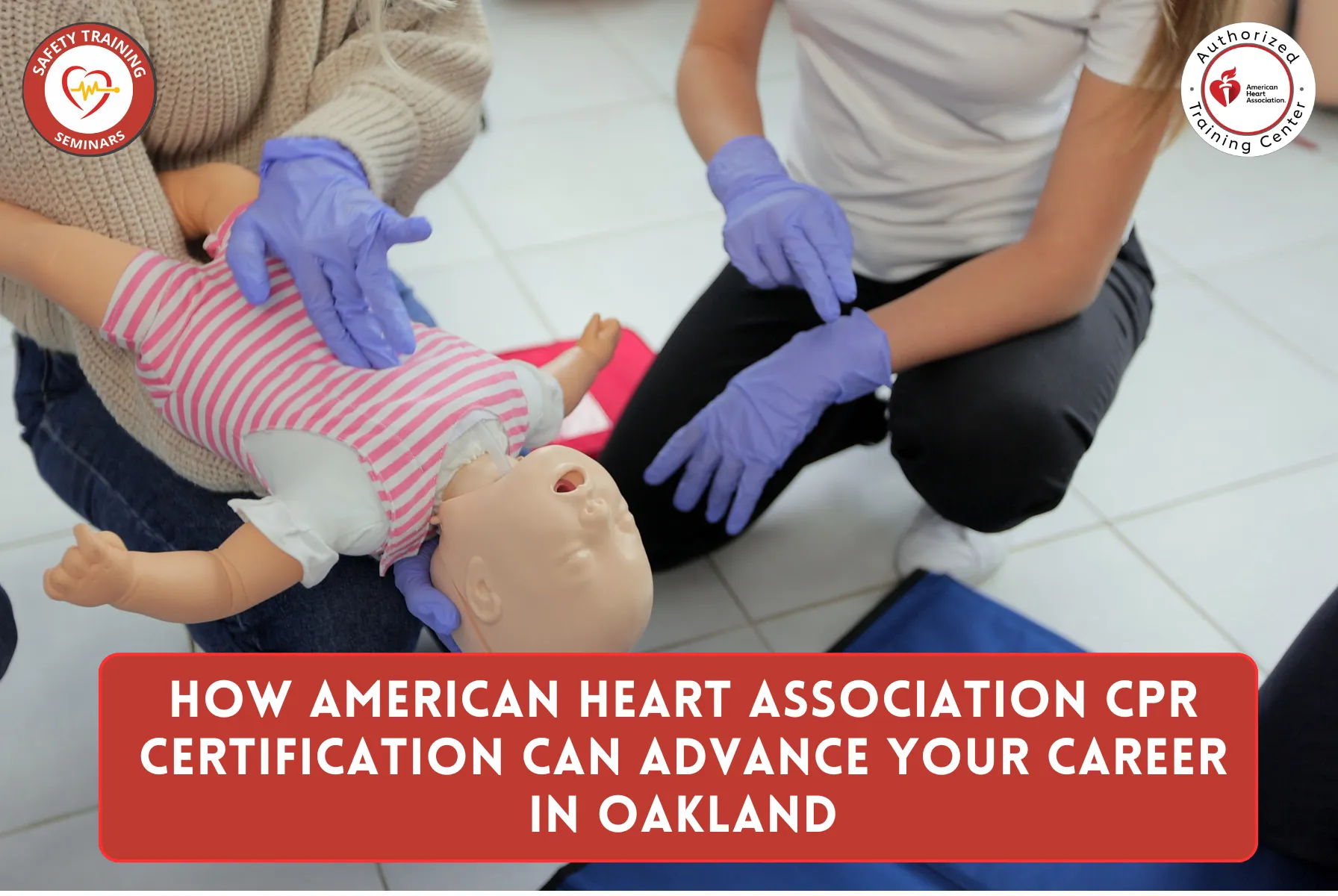
This is also why so many Oakland employers, from home health agencies to school districts, want new hires certified within days of being offered a position — not weeks. A course that gets you trained and card-in-hand the same day removes that bottleneck entirely.
What “Same-Day Certification” Actually Means
Same-day certification means you finish your skills evaluation and walk out with proof of completion before you go home — no waiting for a card to arrive in the mail, no delayed email confirmation holding up a job start date. Local providers offering a CPR training center in Oakland, CA typically run classes that combine short instructional segments with hands-on skills practice, so the entire session — lecture, demonstration, and testing — fits into one appointment.
For BLS-track students, that usually means a class lasting roughly three to four hours. Basic adult CPR and First Aid classes for the general public can run a bit shorter. Either way, you’re not stretching this across multiple evenings.
Who Actually Needs This Certification
Not everyone walks in for the same reason, and the right course can vary depending on your role.
- Nurses and nursing students heading into clinical rotations typically need a Healthcare Provider BLS Course that hospitals and nursing programs will actually accept.
- EMTs and paramedics often need to stack BLS with ACLS, especially if they’re moving toward emergency response roles.
- Medical assistants and dental staff frequently need proof of current certification just to be scheduled for onboarding.
- Pharmacists and respiratory therapists are increasingly asked to keep BLS current as part of licensing renewal.
- Teachers and childcare providers benefit from a general CPR & First Aid Class, since school emergencies involving children require different technique than adult CPR.
- Coaches and personal trainers working with clients at risk of cardiac events want the confidence of knowing AED and chest compression basics cold.
- Security staff at venues around Lake Merritt or downtown Oakland often need certification as a condition of employment.
If you fall into more than one of these categories, ask about combined CPR, BLS, ACLS and PALS courses in Oakland, CA rather than booking separate sessions — it saves both time and money.
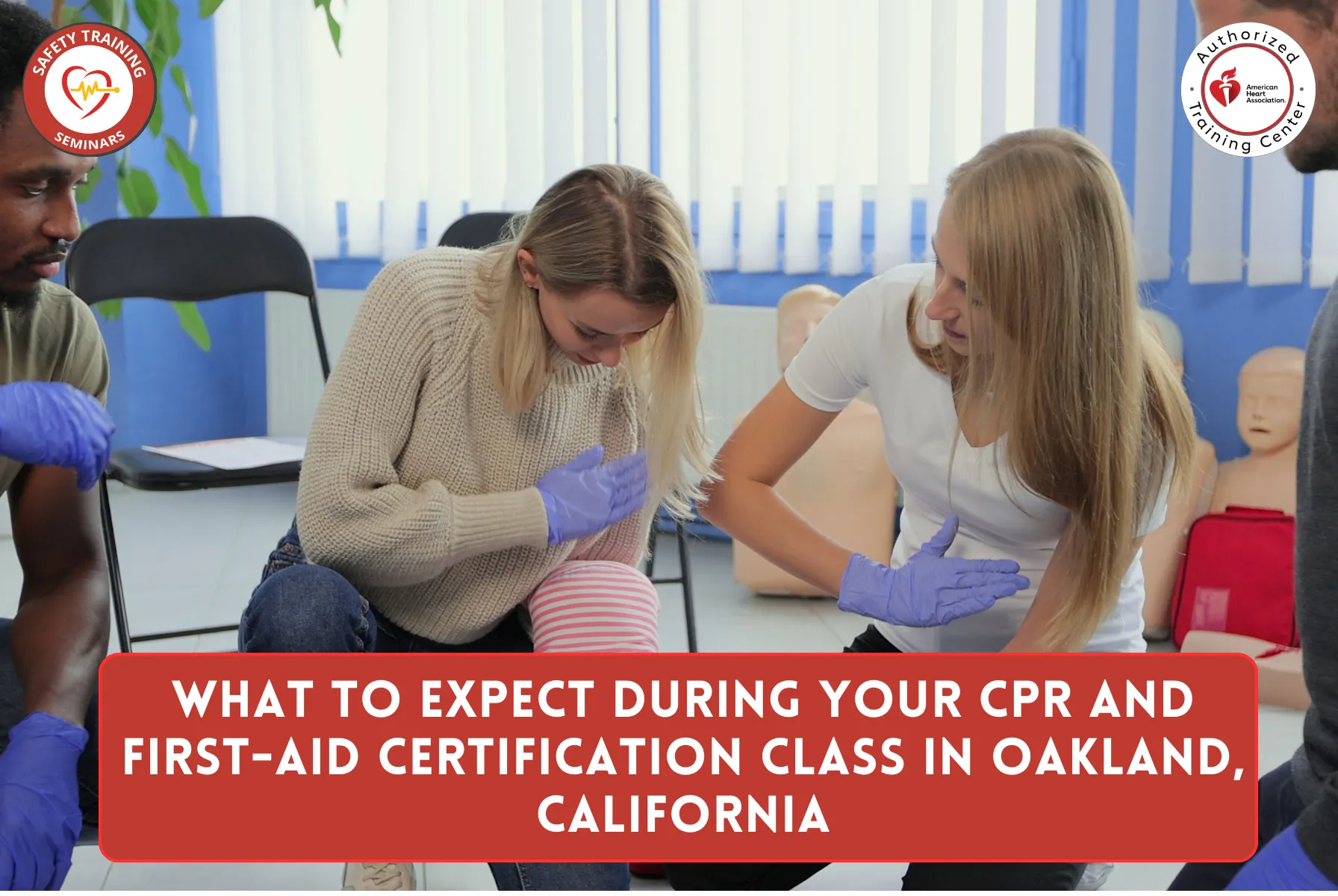
What to Expect During Class
Walking in without knowing the format can make the whole thing feel more intimidating than it is. Here’s the general flow for most in-person and blended courses:
- Pre-class online modules (when applicable). Some course tracks let you complete the cognitive portion — videos, quizzes — on your own time before arriving for skills testing.
- Instructor-led review. A certified instructor walks through adult, child, and infant CPR technique, differences in compression depth and rate, and rescue breathing.
- AED training. You’ll practice using an automated external defibrillator on a training unit, including pad placement and safety checks.
- Choking response. Both conscious and unconscious choking scenarios are covered for adults, children, and infants.
- Team-based resuscitation (for healthcare tracks). BLS and ACLS students practice coordinated, multi-rescuer response, since real codes rarely involve just one provider.
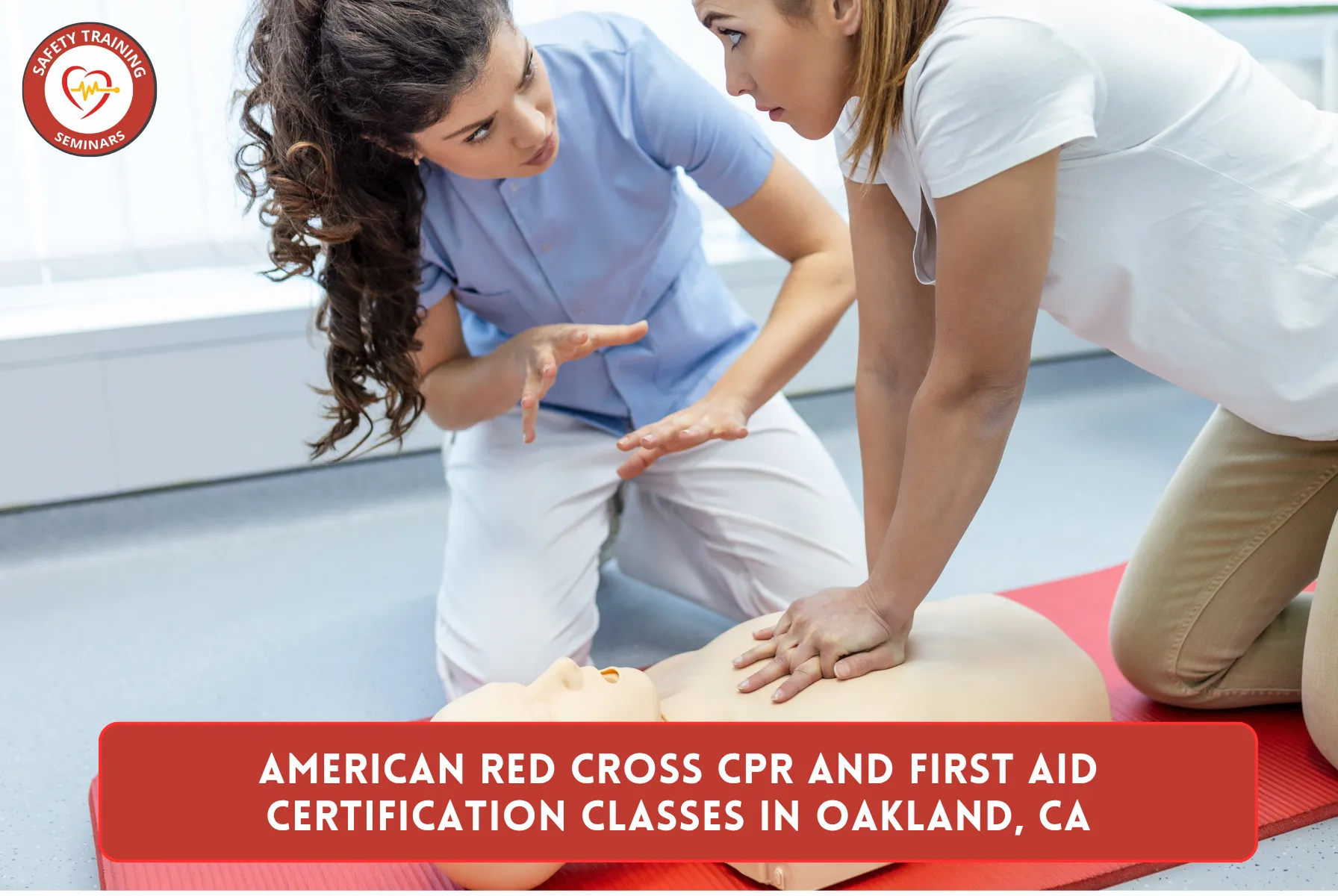
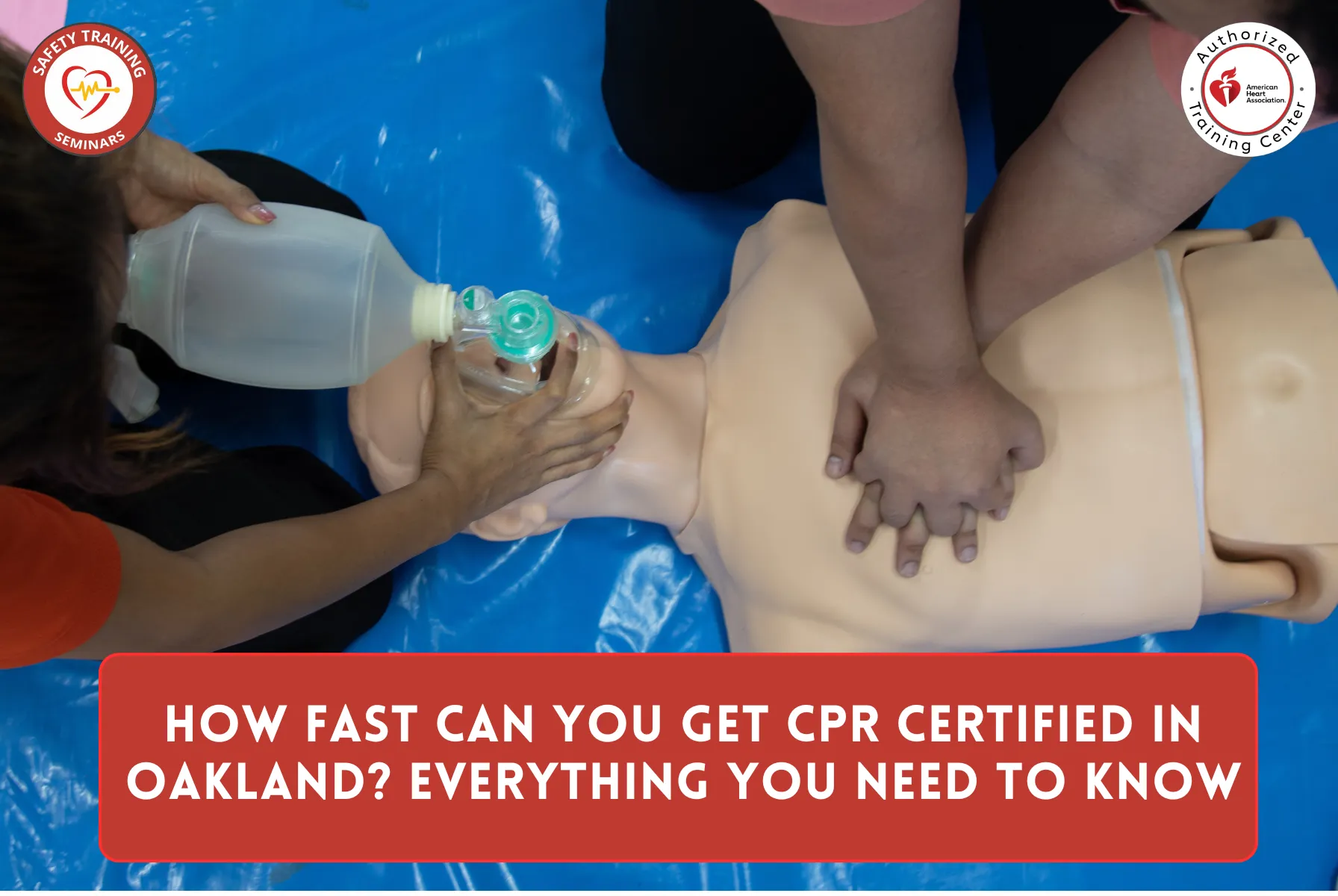
- Skills testing. You demonstrate technique on a manikin while the instructor evaluates you against AHA standards.
- Certification. Pass the skills check, and you leave with your card the same day.
A Realistic Local Scenario
Picture a nursing student who just found out her clinical rotation starts Monday and her BLS card expired last month. Panicking on a Thursday night isn’t unusual — it happens constantly. Because CPR classes near Oakland, CA run throughout the week, including evenings and weekends, she’s able to book a Saturday morning slot, complete her skills test, and show up to clinicals Monday with a valid AHA BLS Provider card in hand. No delayed start date, no scrambling.
Choosing the Right Course Level
Not every certification is the same, and picking the wrong one can cost you time.
- BLS Certification Course in Oakland, CA — built for healthcare providers who need CPR, AED, and airway management skills recognized by hospitals and clinics.
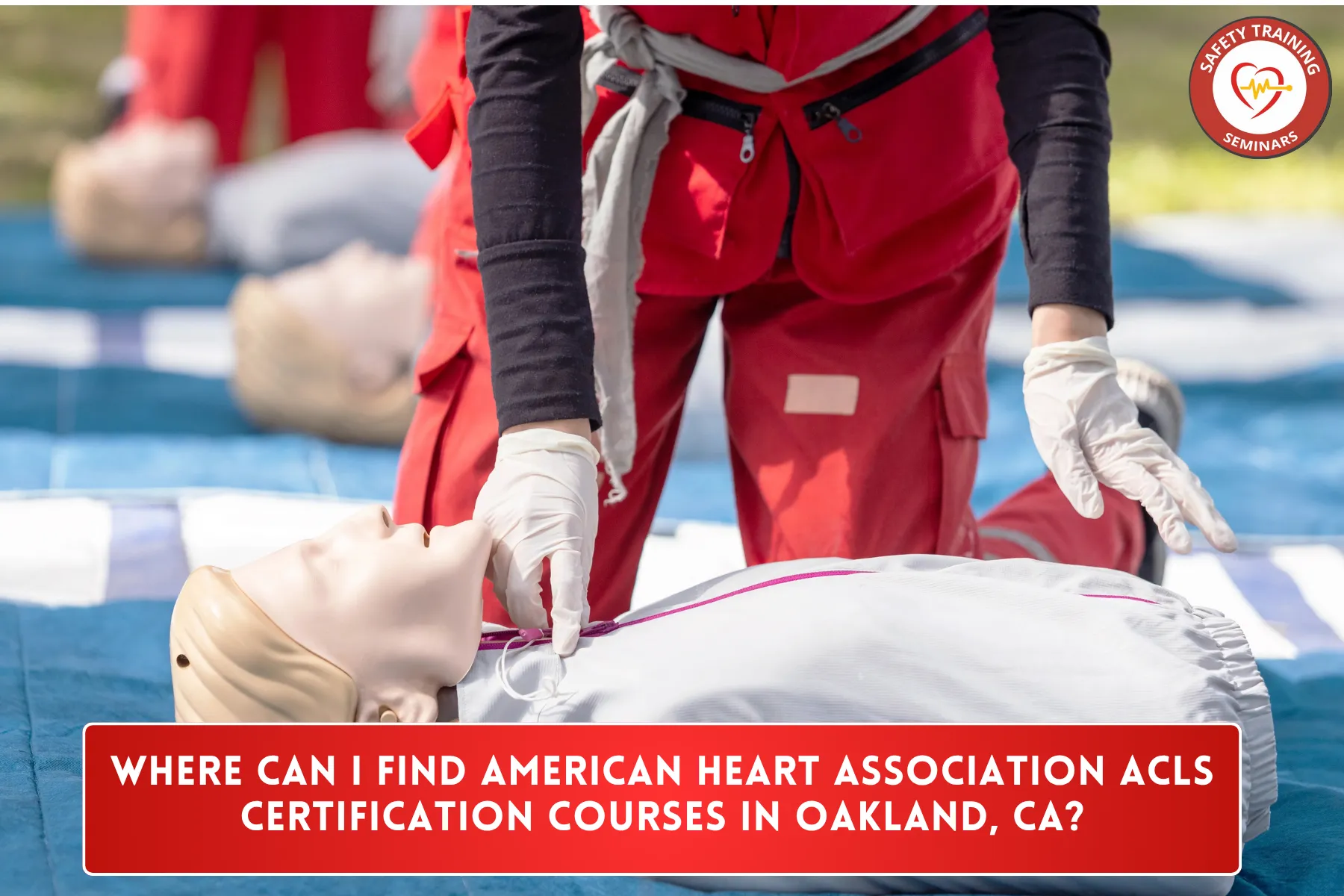
- ACLS Certification course in Oakland, CA — advanced training for providers managing cardiac emergencies in clinical settings, building on BLS skills.
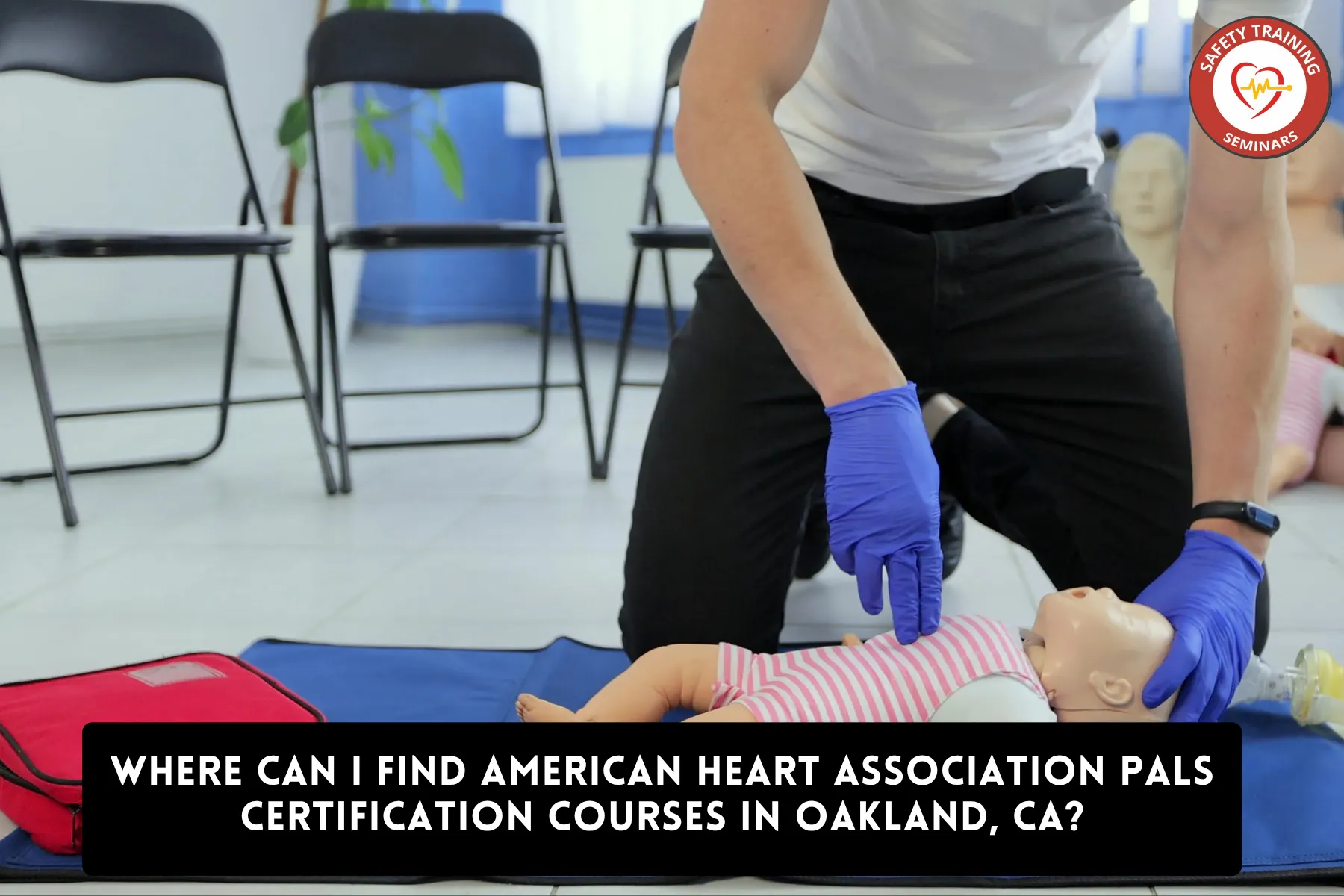
- PALS Certification training in Oakland, CA — focused on pediatric emergencies, essential for anyone working in pediatric or NICU units.
- CPR & First Aid Course in Oakland, CA — the right fit for teachers, coaches, and community members who want general preparedness without the healthcare-specific components.
The AHA BLS CPR Certification Class in Oakland, CA, AHA ACLS Certification Classes in Oakland, CA, and AHA PALS Certification training in Oakland, CA all follow current American Heart Association guidelines, which is what most hospitals, staffing agencies, and licensing boards specifically require.
Getting to Class
Local training is held near Lake Merritt, close to Grand Avenue, Piedmont Avenue, and MacArthur Boulevard, with easy access from I-580 and I-980. Students commuting from West Oakland, the Fruitvale district, or even Alameda find the drive manageable, and AC Transit bus lines run nearby for anyone skipping the car. Street parking is available for those driving in before or after a work shift.
If you’re comparing options, Safety Training Seminars also offers CPR, BLS, ACLS, PALS, NRP, and First Aid courses at their 1953 Taraval St location, giving Bay Area students another nearby training option when scheduling conflicts come up.
Registering for a Class
Booking is straightforward. Browse the CPR Training Schedule to find an available session, select the certification track that matches your profession or personal goals, and register online. Most sessions have limited seating to keep the instructor-to-student ratio low, so classes do fill during peak hiring seasons — particularly late summer, when nursing programs and school districts onboard new staff.
If you’re unsure which course applies to your situation, reach out through Contact Our Team before booking. It’s a quick way to avoid registering for the wrong certification level.
Frequently Asked Questions
How long does it take to get CPR certified in Oakland?
Most students finish in a single session lasting three to four hours, depending on the course level, and receive their certification the same day.
Is the certification accepted by hospitals and employers?
Yes. Courses follow official American Heart Association guidelines, and the resulting eCard is recognized by hospitals, clinics, dental offices, and most employers nationwide.
Can nursing students enroll before their clinical rotation begins?
Yes, and it’s one of the most common reasons students book classes on short notice. Weekend and evening sessions make it possible to get certified just days before a rotation starts.
Do I need to complete anything online before attending?
It depends on the course. Some tracks include a short online portion before the in-person skills session, while others are entirely classroom-based. Check the specific course listing when registering.
How often do I need to renew?
AHA certifications are valid for two years. Renewal classes are typically shorter than initial certification courses.
What’s the difference between BLS and general CPR & First Aid?
BLS is designed for healthcare providers and includes team-based resuscitation and airway management skills. General CPR & First Aid is built for the public, covering adult, child, and infant CPR along with basic injury response.
Can I take ACLS or PALS without a current BLS certification?
Most providers require current BLS certification as a prerequisite for ACLS and PALS, since these advanced courses build directly on basic life support skills.
Is parking available near the training location? Yes. Street parking is available near the Lake Merritt area, and the location is also accessible by AC Transit for students who prefer not to drive.
Getting Certified Doesn’t Have to Wait
Between flexible scheduling, same-day eCards, and a location that’s easy to reach from most parts of the East Bay, there’s rarely a good reason to put off certification. Whether you need it for clinical rotations starting next week, a new job requiring proof by Friday, or simply the peace of mind that comes with knowing what to do in those first critical minutes, Oakland’s training options are built around getting you certified without the runaround. Pick a class that fits your schedule, show up ready to practice, and leave with a certification that’s ready to use.