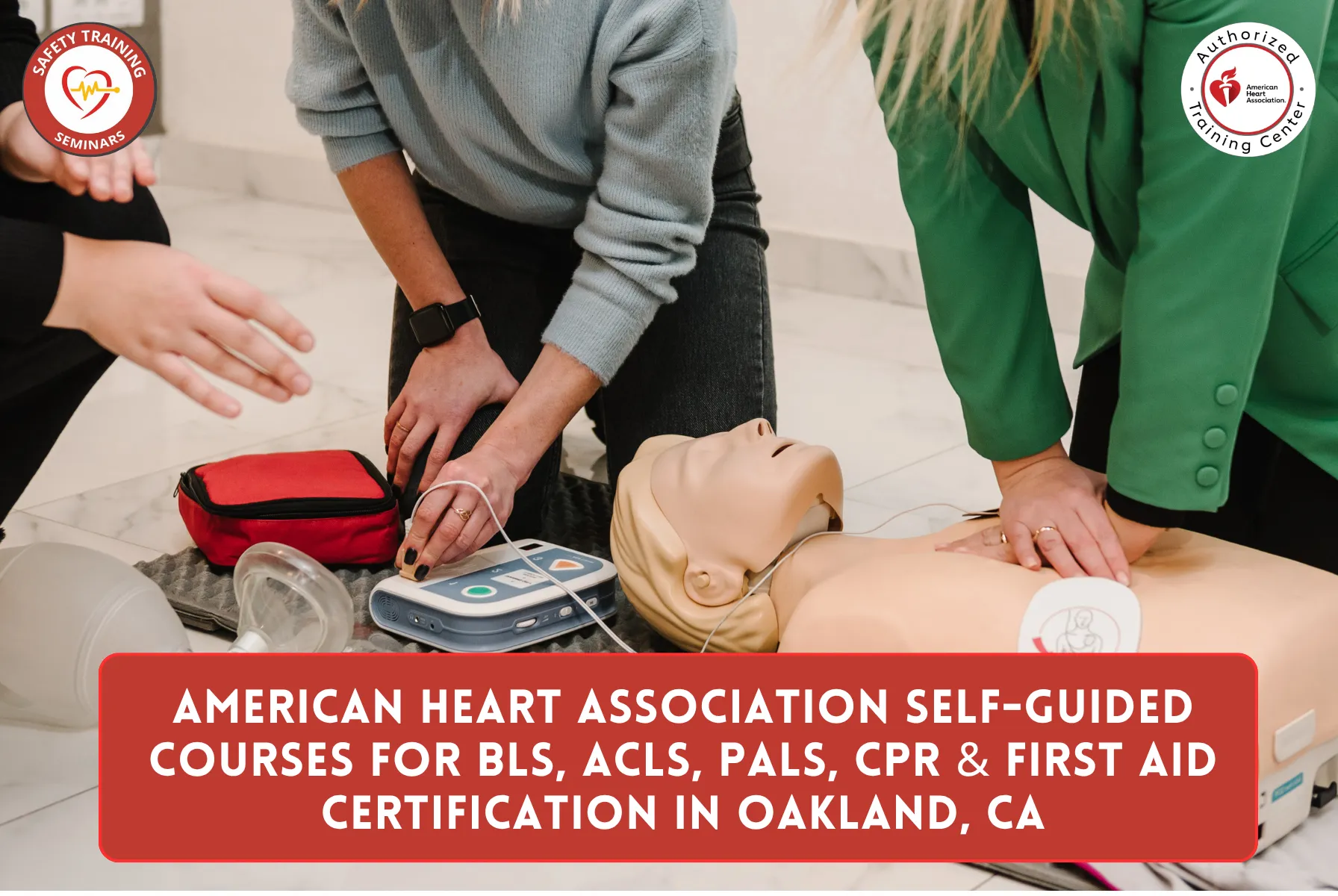
Across Oakland, the people who need a current American Heart Association card rarely look alike. An ICU nurse renewing before a hospital audit, a preschool teacher meeting a licensing rule, a personal trainer updating a gym requirement — each needs a specific credential on a specific timeline, and few can spare a full weekday for a classroom. AHA Self-Guided Learning was built for that reality. It separates the coursework from the hands-on portion, so you study online whenever it suits you and complete your skills check in person on your own schedule. Below is how the format works, which courses it fits, and how it differs from an online-only program.
In short: AHA Self-Guided Learning lets you finish the online learning independently and verify your skills in person on approved feedback equipment. The AHA runs it mainly for BLS, ACLS, and PALS, and the course that’s right for you follows from your role and what your employer, school, or licensing board expects.
How the Self-Guided Format Works
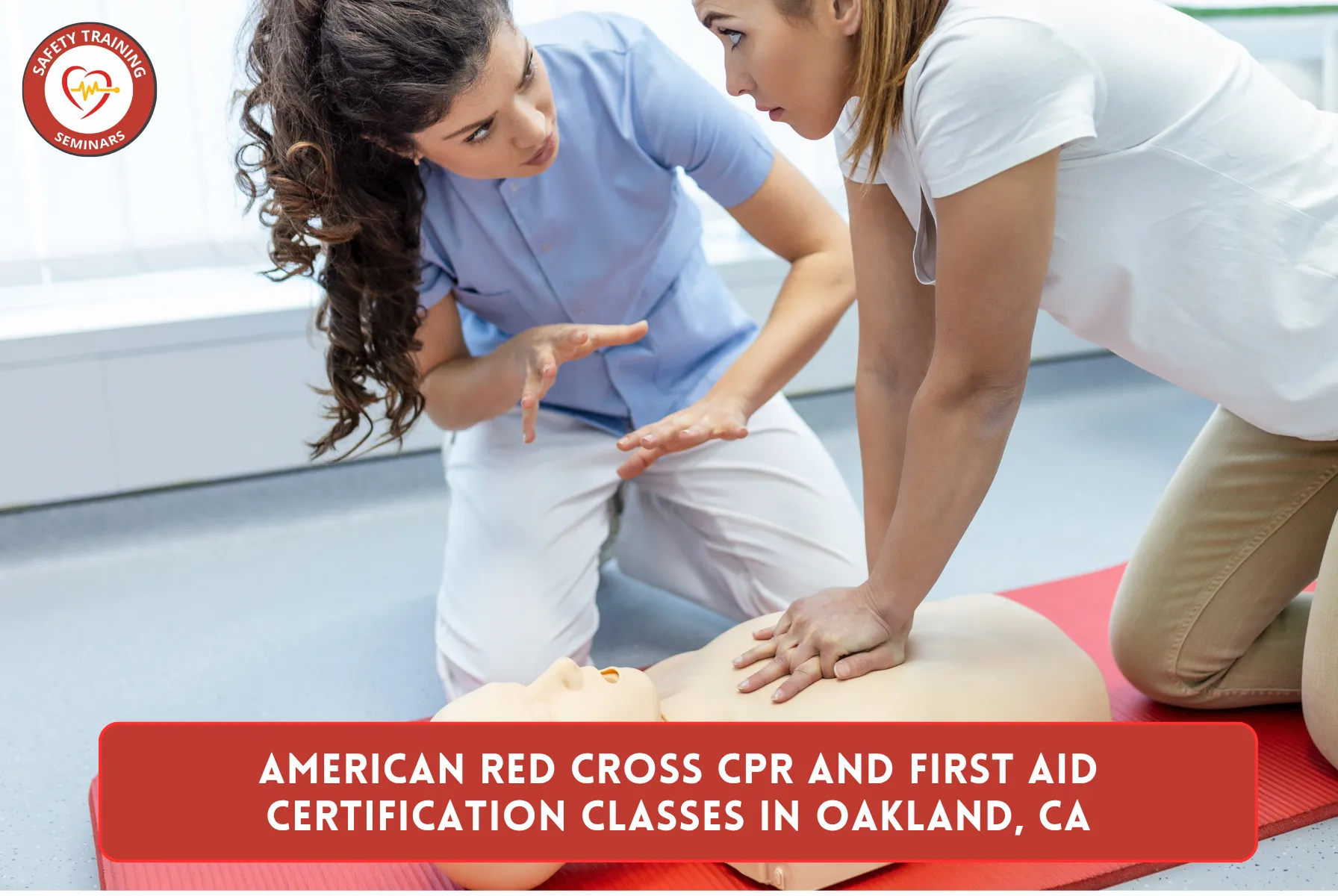
Self-Guided Learning is an American Heart Association delivery method that divides a course into two stages you handle at different times. First is the cognitive coursework, completed online at your own pace on a compatible device. Second is a hands-on skills session done in person, where you perform the required skills on approved equipment that gives real-time audio and visual feedback rather than relying on a live instructor.
The general sequence:
- Choose the course that fits your professional role.
- Work through the online learning independently.
- Book and attend your skills session at a CPR Verification Station learning center.
- Demonstrate the required skills on the feedback-enabled equipment.
- Receive your AHA Provider eCard after you meet all the requirements.
The Courses You Can Complete This Way
ACLS in Oakland
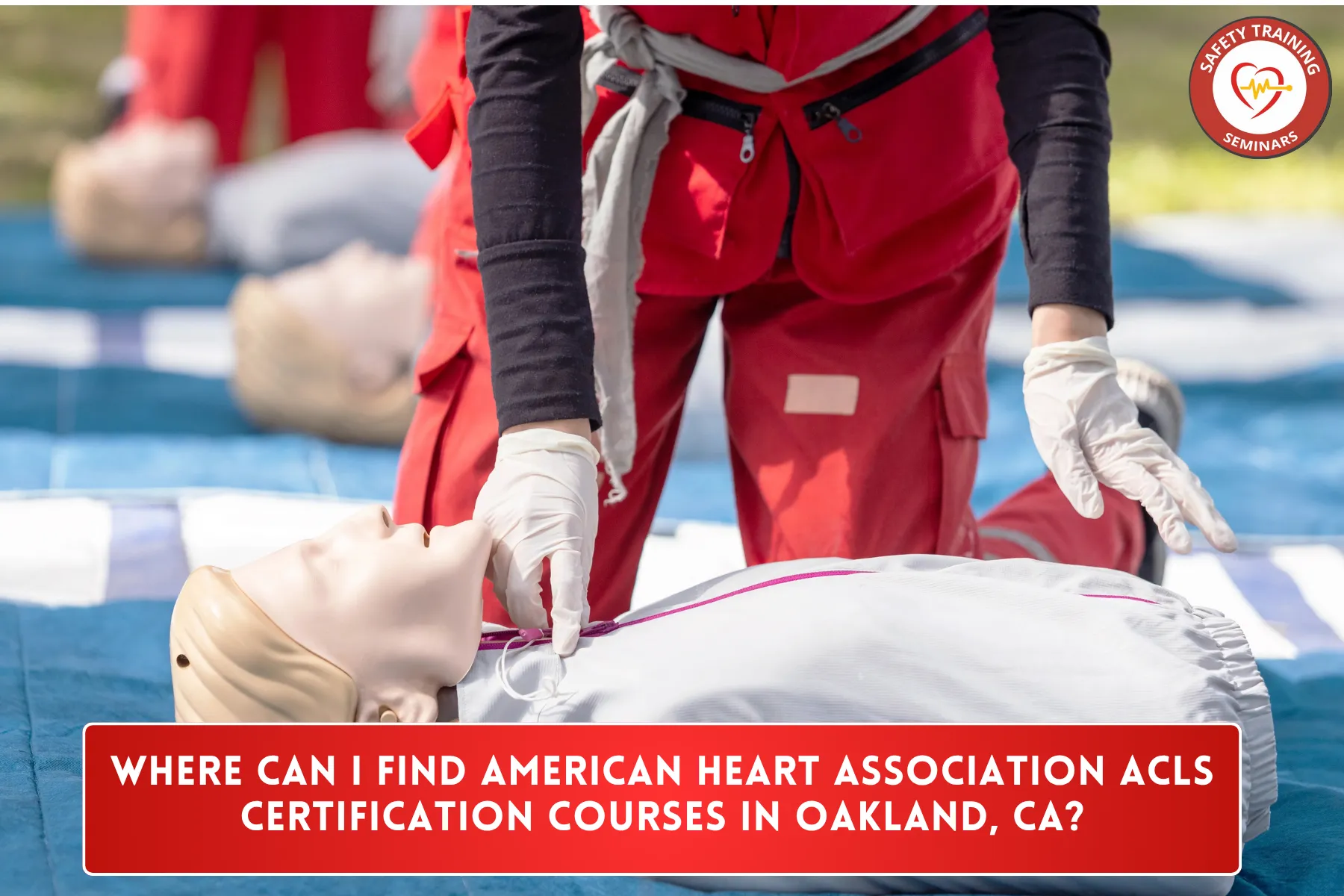
Advanced Cardiovascular Life Support is aimed at clinicians who manage adult cardiac emergencies — reading rhythms, following medication algorithms, and running a resuscitation team under pressure. Across Oakland’s many hospitals, ACLS is a familiar requirement for physicians, critical care and emergency nurses, respiratory therapists, and paramedics. It isn’t universal, though: whether you need it depends on your role and your department’s policy, so confirm the expectation with your credentialing office first. You can compare Oakland CPR, BLS, ACLS, and PALS class formats once you know which pathway applies.
PALS in Oakland
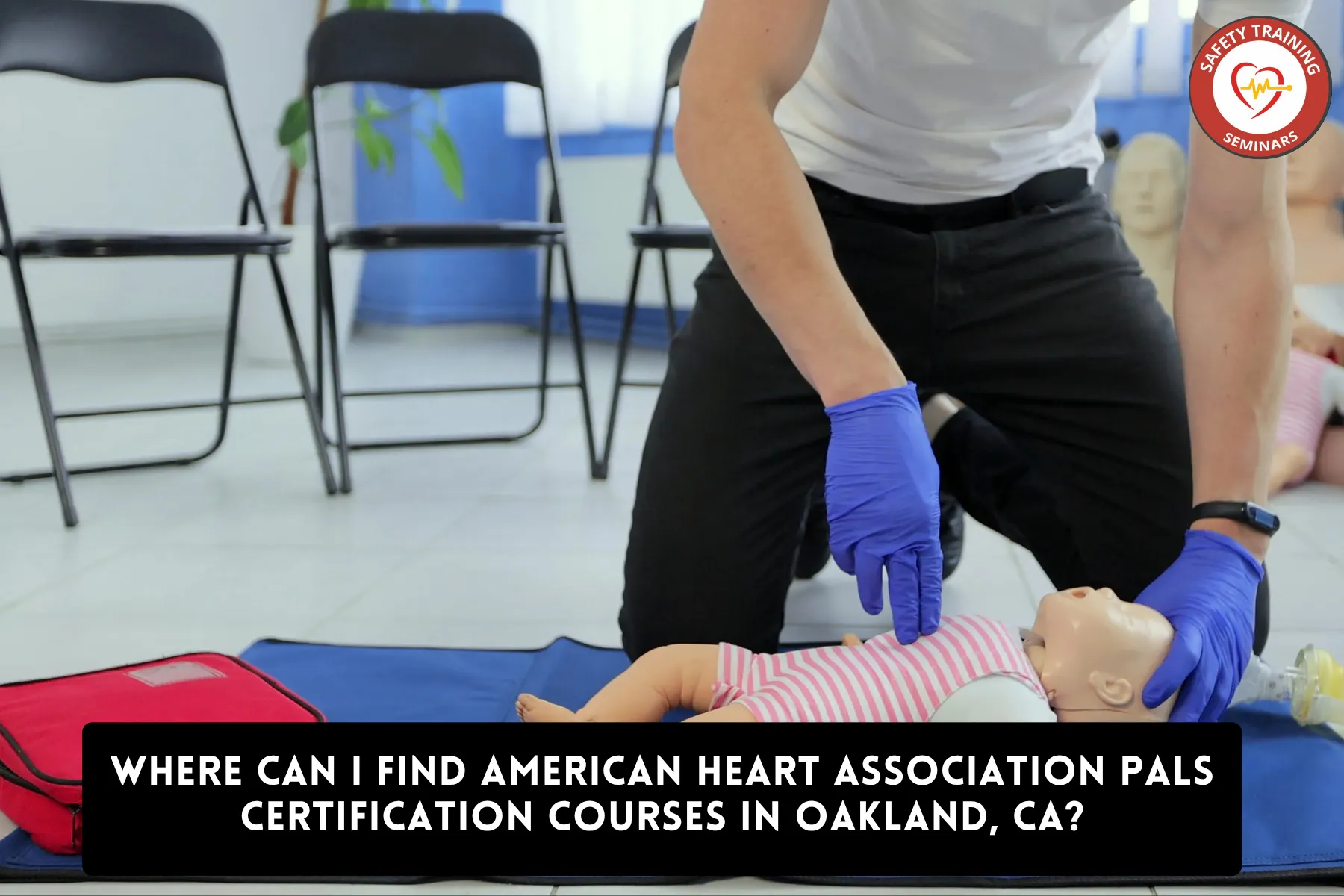
Pediatric Advanced Life Support focuses on emergency care for infants and children, covering pediatric assessment, resuscitation, and team response. It’s intended for healthcare professionals who may treat young patients — clinicians in pediatrics, emergency care, urgent care, and patient transport often fall into this group. As with ACLS, the requirement is role-specific and varies by organization.
BLS in Oakland
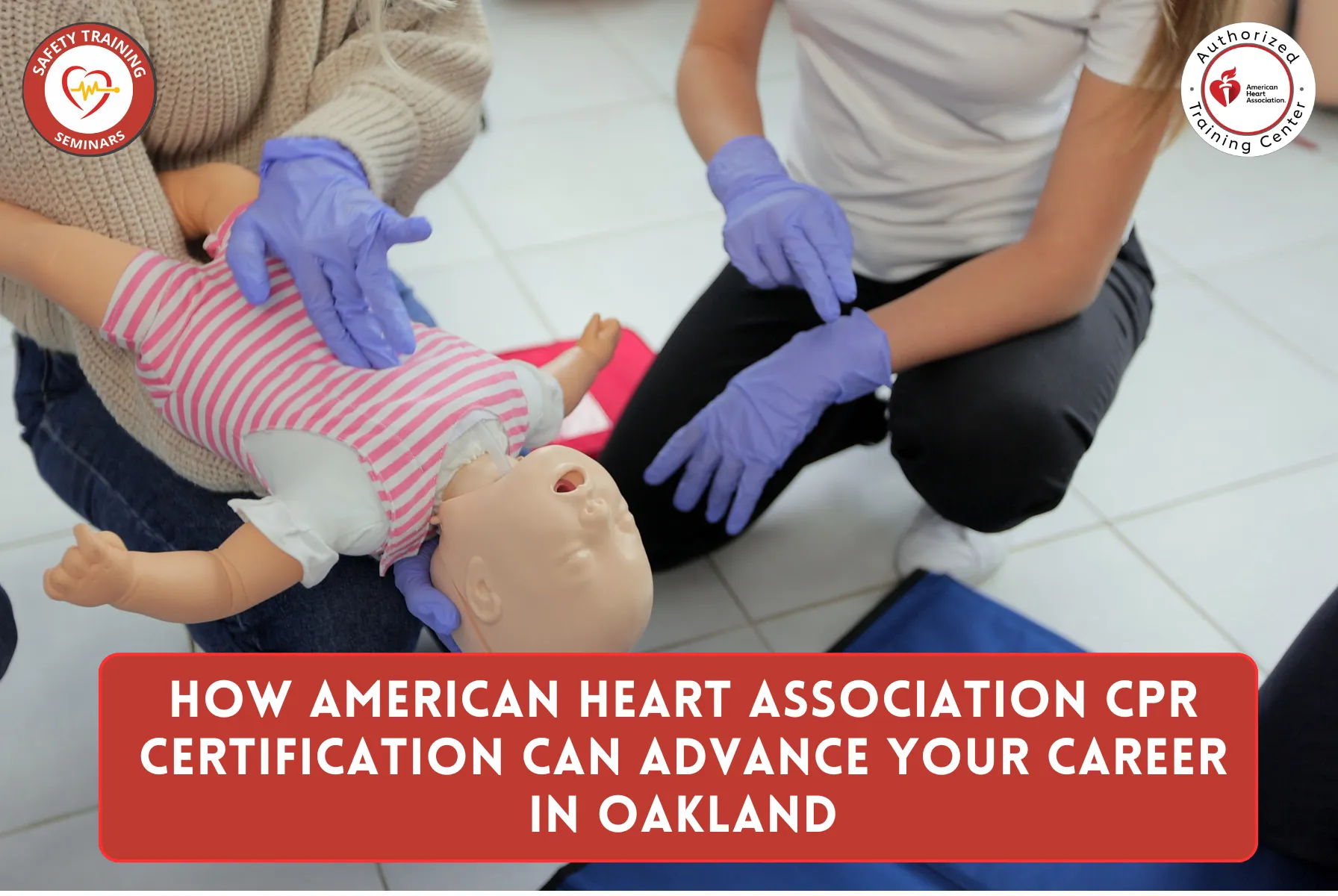
Basic Life Support is the foundation for people who respond to cardiac and breathing emergencies as part of their work. Registered nurses, EMTs, medical and nursing students entering clinical rotations, dental staff, and medical assistants commonly hold it. BLS goes further than general public CPR by teaching high-performance compressions, team resuscitation, bag-mask ventilation, and AED use. Many clinical roles across Oakland ask for an AHA BLS Provider card specifically, though it depends on the position.
CPR, AED, and First Aid in Oakland
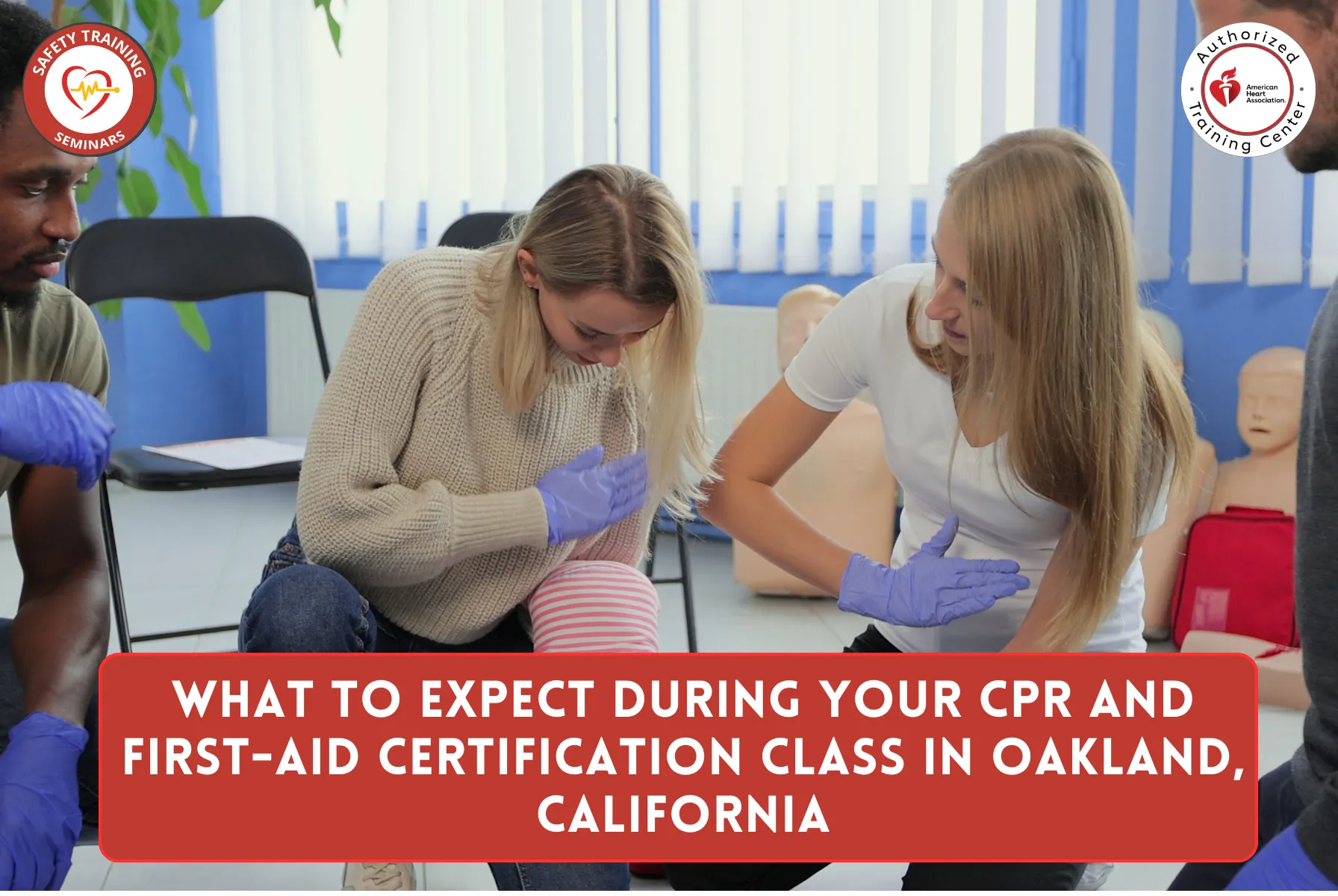
Not every course follows the BLS/ACLS/PALS Self-Guided pathway the same way. General CPR, AED, and First Aid training is usually written for people outside clinical work: childcare providers, classroom teachers, coaches, fitness instructors, workplace safety teams, and caregivers. Some run as online-plus-skills or fully in-person courses rather than the Self-Guided format. If your job or activity calls for general CPR and First Aid instead of a provider-level card, confirm which specific course and format your requirement accepts.
Matching the Course to Your Situation
Choosing the wrong certification is easy to do. This table pairs each course with its usual audience:
| Course | Generally intended for |
| BLS | Healthcare professionals and healthcare students |
| ACLS | Clinicians handling adult cardiovascular emergencies |
| PALS | Clinicians handling pediatric emergencies |
| CPR/AED | The general public and workplace settings |
| First Aid | Workplaces, schools, childcare, and community members |
Use it as a guide, not a rulebook. The card you need can vary by employer, school, licensing board, healthcare system, and training program. Before you enroll, verify the exact course — and the format that will be accepted — with whoever is requiring it.
Self-Guided, Online-Only, and Classroom Training Compared
These three options overlap in name but differ in what they deliver.
Self-Guided Learning combines independent online study with a verified, in-person skills session on feedback equipment. You set the pace of the coursework and schedule the practical part around your week.
Traditional classroom training puts everyone in a room at a fixed time with an instructor leading practice and testing. Some learners prefer that structure and the chance to ask questions live.
Online-only training provides the knowledge portion alone. On its own, it may not meet requirements that call for demonstrated skills or a provider-level card, leaving you short of what an employer will take. No single option is best for everyone; the right one depends on what your requirement specifies.
Training Access in and Around Oakland
Oakland functions as an employment and healthcare anchor for the East Bay, which shapes who looks for flexible certification here. Clinicians on rotating hospital shifts often can’t commit to a set class date. Commuters from Alameda, Berkeley, Emeryville, Piedmont, or San Leandro may prefer finishing the coursework at home and reserving one in-person appointment. Childcare centers, schools, gyms, and small businesses across the city also need staff certified in CPR and First Aid on their own calendars.
The appeal is practical: less time away from work and one trip for skills verification instead of a full-day class. Anyone weighing BLS and CPR classes in Oakland’s Fruitvale area should still start by matching the course and format to their requirement.
Safety Training Seminars in Oakland
For learners in the East Bay, Safety Training Seminars operates an Oakland training center near the Grand Lake and Piedmont Avenue area at 154 Santa Clara Ave., Suite 6, Oakland, CA 94610. If Self-Guided Learning fits your schedule, first identify which course your role requires, then look at how the skills session is handled at a local center.
A nearby option helps when your schedule shifts or a deadline is approaching. Before registering, confirm that the course matches what your employer, school, or licensing body requires, that the format they accept is the one you’re signing up for, and whether you need an initial certification or a renewal.
Frequently Asked Questions
- Can ACLS or PALS be renewed through Self-Guided Learning in Oakland? Yes. The AHA offers Self-Guided Learning for ACLS and PALS as well as BLS, so eligible Oakland clinicians can renew by completing the online portion independently and the skills session in person. Because requirements differ by role and workplace, confirm with your department that a Self-Guided Provider eCard is accepted first.
- Does an online-only course satisfy a hospital or employer requirement? Not always. Online-only training covers the knowledge portion but may skip the demonstrated skills many employers and healthcare systems require. Self-Guided Learning keeps that in-person verification, which is why it’s more likely to meet a provider-level requirement.
- Is the hands-on skills session included, or do I arrange it separately? It’s part of the course. After the online learning, you complete an in-person skills session at a verification station, performing the required skills on equipment that gives real-time feedback. Only the coursework is remote; the practical portion still happens in person.
- Can someone commuting from Alameda or Berkeley use an Oakland center? Generally, yes. There’s no residency restriction on where you complete AHA training, so learners from Alameda, Berkeley, Emeryville, and other nearby communities can use an Oakland-area center. Handling the coursework at home and booking one skills appointment makes the trip more manageable.
- How do I confirm which course my Oakland workplace requires? Ask the source of the requirement directly. Your employer, hospital credentialing office, school, or licensing board can name the exact course — BLS, ACLS, PALS, or a general CPR and First Aid option — and whether a Self-Guided format is accepted. That answer prevents completing the wrong certification.
Choosing Your Next Step
The point worth holding onto is simple: Self-Guided Learning keeps the hands-on skills an online-only course may leave out, and that gap can decide whether your certification counts. Let your requirement lead. Check with your employer, hospital, school, or licensing board to learn precisely which course and card they expect, then pick the format that satisfies it. Once you know, match it to an Oakland training option that works with your schedule and review the course and location details from Safety Training Seminars before booking your skills session.