Hardly anyone signs up for a CPR class out of curiosity. Usually there’s a trigger: a manager forwards a compliance email, a nursing program posts an orientation deadline, or a childcare license renewal lands on the kitchen counter with a date circled on it. Then the searching starts — and the prices bounce everywhere. Sixty dollars on one site. A hundred and eighty on another. Half the listings never say whether the card will actually be accepted.
That’s the part that costs people money. A cheap course that your employer rejects isn’t cheap; it’s a course you pay for twice. So the real question isn’t just where to find an affordable CPR and First-aid Certification Course in Oakland. It’s where to find one that’s affordable and respected by the hospitals, schools, and licensing boards in Alameda County.
Safety Training Seminars runs its East Bay training center at 154 Santa Clara Ave, Suite 6, right between Grand Avenue and Piedmont Avenue. Classes run seven days a week, cards are issued the same day, and the pricing is published up front instead of hidden behind a quote form.
Quick Facts
| Detail | What You Get |
| CPR & First-aid course price | $95 |
| Certifying body | American Red Cross (AHA courses also offered) |
| Ages covered | Adult, child, and infant |
| Valid for CA childcare licensing | Yes |
| Online portion | 1–2 hours, done at home |
| In-person skills session | About 1 hour |
| Certification card | Same day, valid 2 years |
| Open | Monday–Sunday, 8 a.m. – 10 p.m. |
| Price matching | Yes — low price guarantee |
What “Affordable” Should Actually Mean
Price tags on training sites can be misleading. Before you compare numbers, check four things:
- Does the fee include the skills test? Some low-cost online-only providers charge again for the hands-on session. Ours doesn’t.
- Will your employer accept the card? Purely online certifications with no in-person skills check get turned away by most Bay Area clinics and hospitals.
- How long does the card take to arrive? Waiting three weeks for a card when your start date is Monday has its own cost.
- What happens if you don’t pass the first time? A good training center coaches you through it instead of charging a retake fee.
Judged that way, a $95 CPR and First Aid Certification course that includes the online modules, the hands-on session, the evaluation, and a same-day card is genuinely less expensive than a $59 course that leaves you scrambling.
Course Options and Published Pricing
Different jobs need different cards, and picking the wrong one is one of the most common ways people waste money in Oakland.
- CPR & First-aid — $95. Red Cross course covering adult, child, and infant care. This is the one most teachers, coaches, and childcare providers need.
- BLS for Healthcare Providers — $120. The AHA card hospitals ask for. See the full BLS certification class details if you work in patient care.
- ACLS — advanced cardiac care for ICU, ED, and critical care staff. Details on the ACLS certification course page.
- PALS — pediatric advanced life support, common for pediatric nurses and respiratory therapists. Start with the PALS certification training page.
- NRP — $280, for labor and delivery and NICU staff, through the NRP certification course.
Not sure which one your role requires? The general CPR certification classes page breaks the options down, or you can call and ask. A two-minute phone call has saved plenty of students from booking the wrong class.
Why Location Matters More Than People Expect
Oakland traffic decides a lot. A class that’s technically cheaper but sits forty minutes away in commute traffic isn’t saving you anything once you count the gas and the lost shift.
The Santa Clara Ave training center sits in the pocket between Lake Merritt and Piedmont Ave, a few minutes from Grand Lake and easy to reach off I-580 or I-980. Staff from Alta Bates Summit Medical Center and Kaiser Permanente Oakland can slot a morning session in before a day shift. Students at Samuel Merritt University — whose Oakland campus is essentially around the corner — often walk or take a short AC Transit ride over to knock out their skills check between lectures. Laney College and Merritt College students heading into allied health programs are in the same boat.
There’s street parking around Santa Clara and Grand, and several AC Transit lines run along Grand Avenue and Broadway, so driving isn’t required. If a different corner of the city works better for you, there are neighborhood pages for Lake Merritt CPR and BLS classes and Fruitvale CPR and BLS certification as well.
Two Situations That Come Up Often
A preschool teacher near Fruitvale Village gets a licensing notice: her pediatric first aid card expires in eleven days. She finishes the online modules on a Tuesday evening, books a Saturday morning skills session, and walks out before noon with a card that satisfies EMSA requirements.
A personal trainer working with clients on the Lake Merritt path watches an older runner go down near the pergola. Bystanders freeze. He doesn’t, because he practiced compressions on a manikin six months earlier and knows exactly what the first thirty seconds look like. According to the American Heart Association, immediate bystander CPR can double or even triple a person’s odds of surviving cardiac arrest.
Who Usually Ends Up in the Class
- Nurses, CNAs, and nursing students — required before clinical rotations start
- EMTs and medical assistants — a standing employment condition
- Dental hygienists and dental office staff — tied to license renewal
- Teachers, aides, and school staff — often district policy
- Childcare providers and foster parents — required under California licensing rules
- Coaches, trainers, and lifeguards — usually required by the league or facility
- Security officers and site supervisors — OSHA expects trained responders on site when no clinic is nearby
- Parents and caregivers — no requirement, just a reason
What Class Day Actually Looks Like
The written material happens at home. You log into the online portion, work through it in one or two sittings, and print your completion certificate. Nobody sits through a lecture in a folding chair.
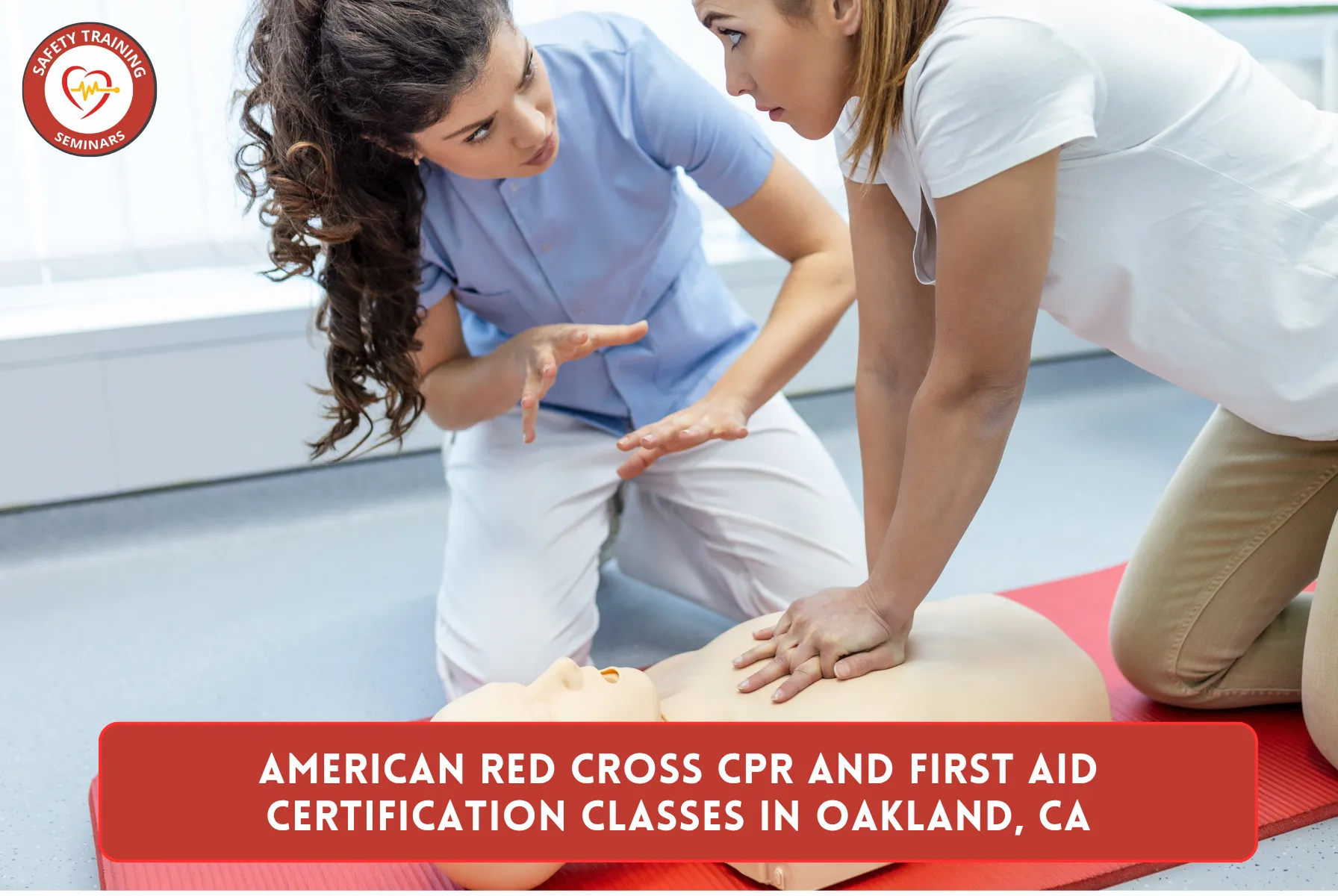
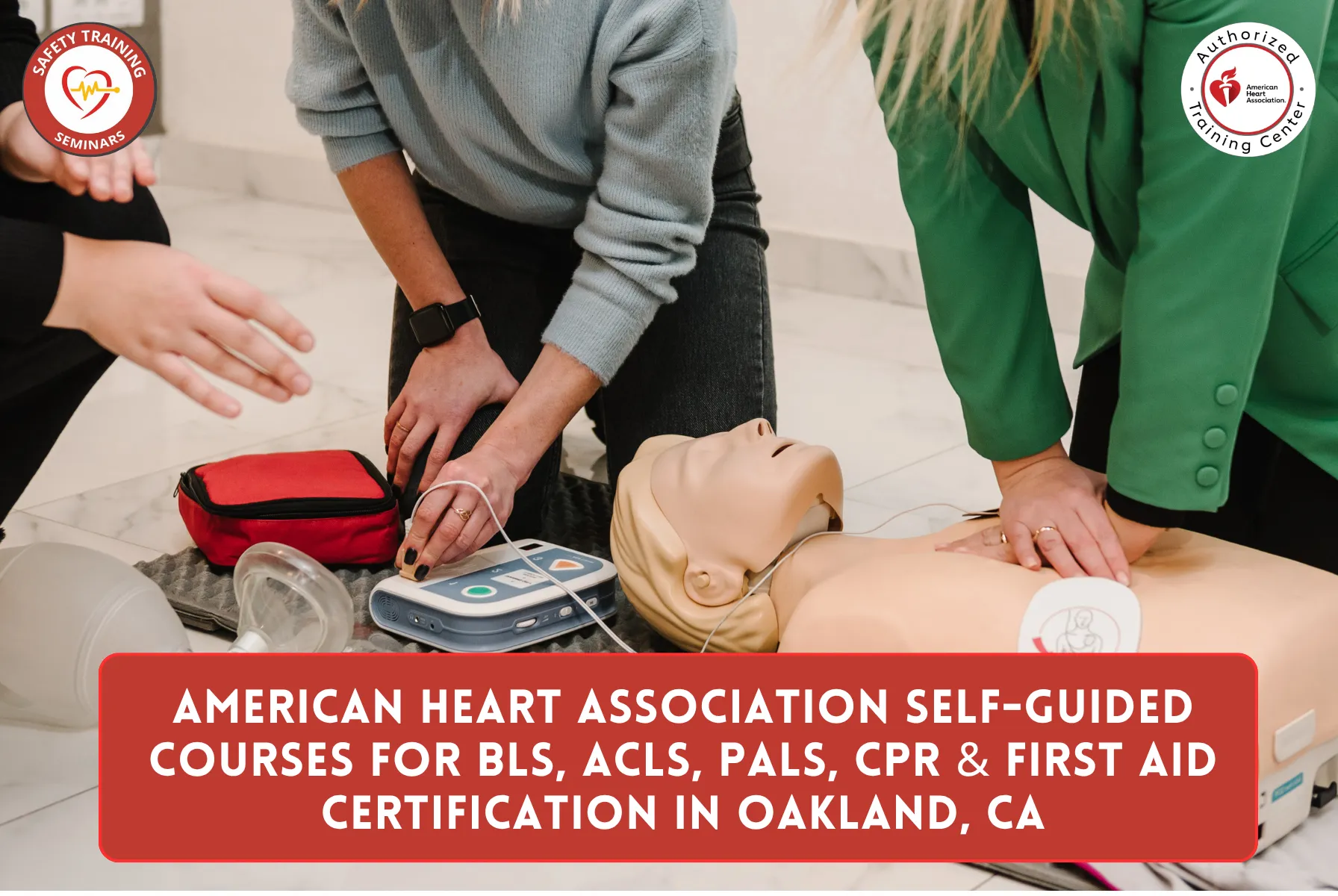
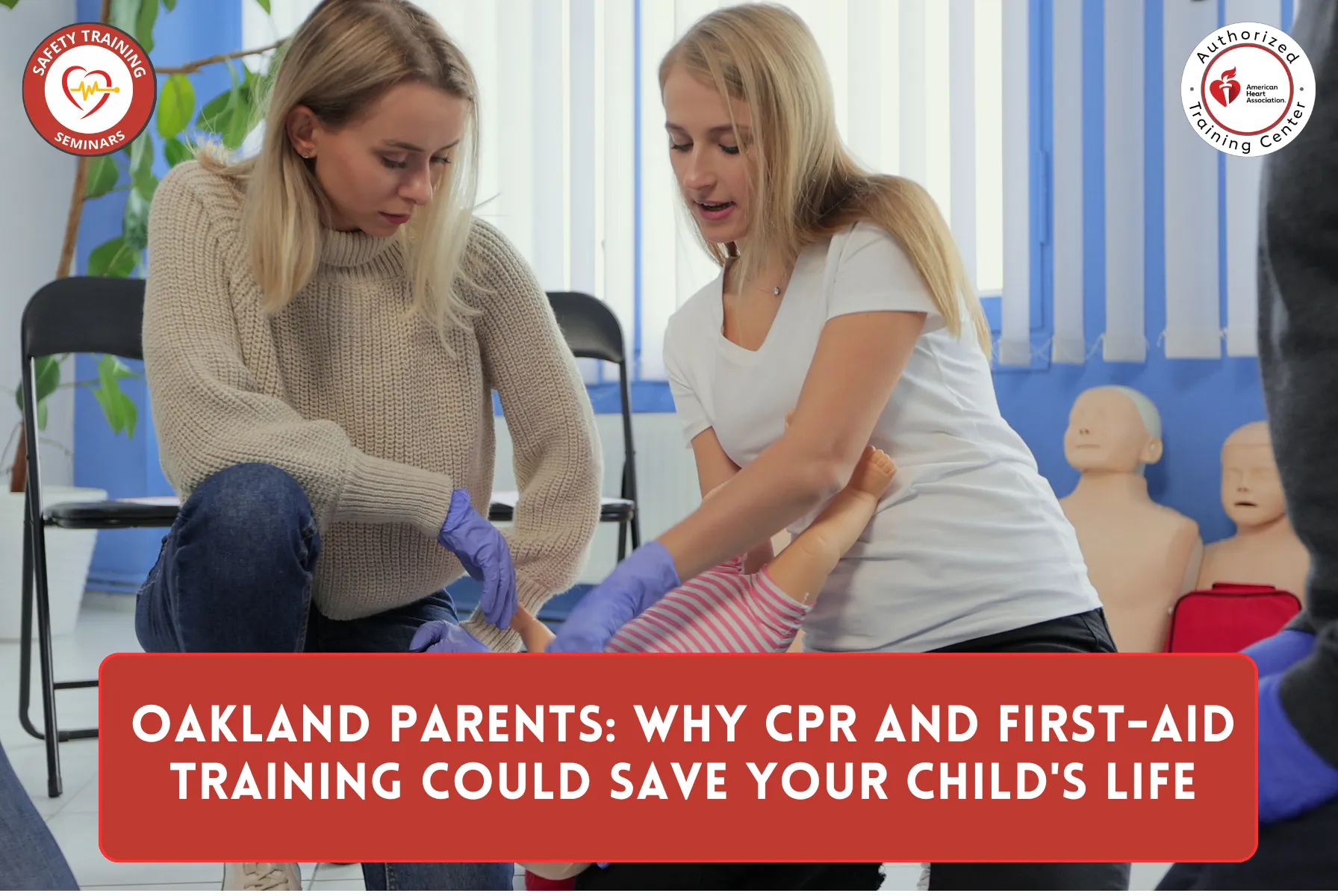
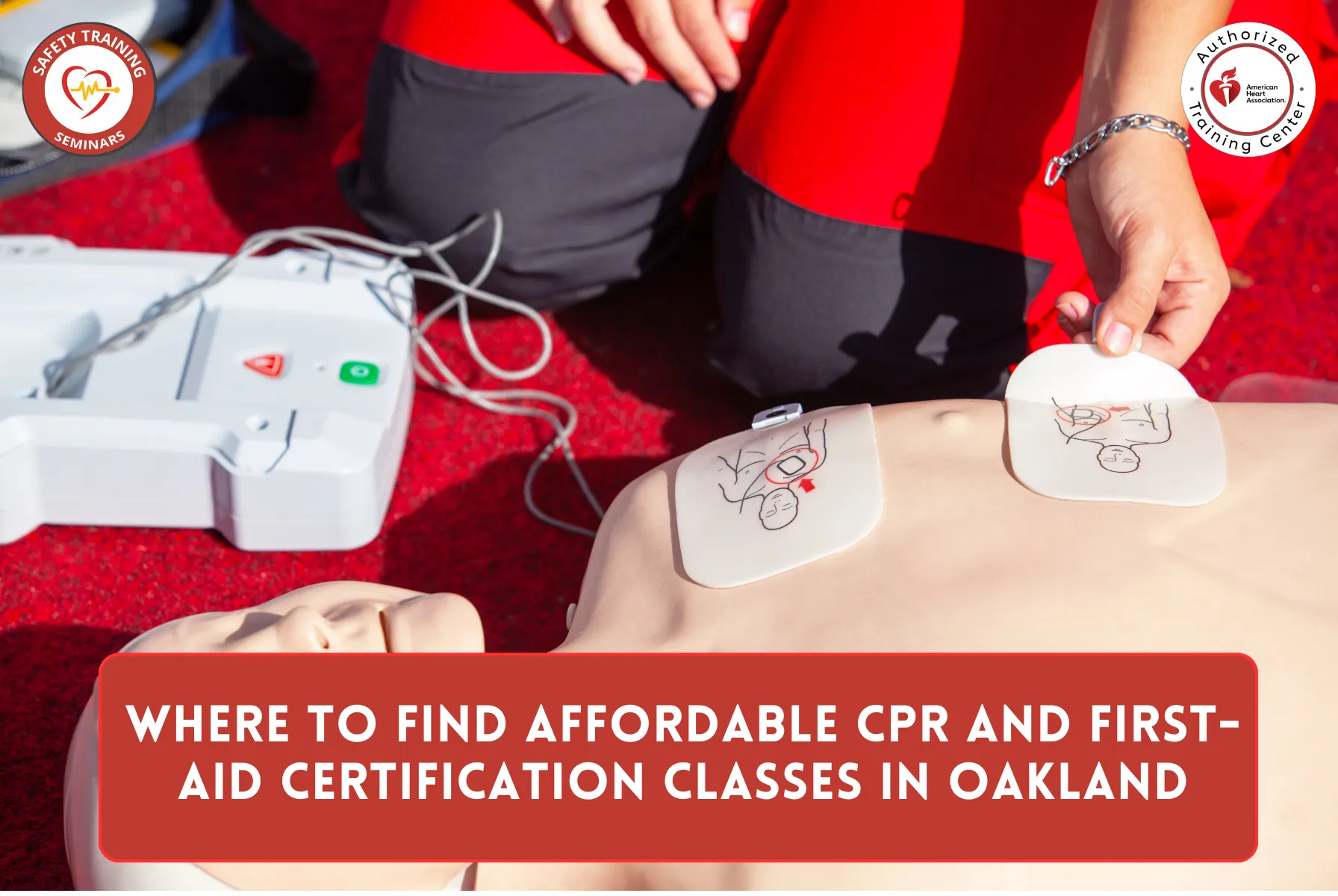
The in-person part is where the work happens. You’ll practice chest compressions on adult, child, and infant manikins until the depth and rate feel automatic. You’ll run an AED — pads on, prompts followed, everyone clear. You’ll handle choking on a responsive adult and on an infant, which are two very different maneuvers. You’ll cover bleeding control, burns, and epinephrine auto-injector use.
Then the instructor evaluates you individually. Pass, and your card is issued that day. Most students are in and out in about an hour.
Practical Ways to Keep the Cost Down
- Ask about the current promo code before you register — discounts on AHA courses run regularly.
- If you found a lower advertised price elsewhere, mention it. The low price guarantee is real.
- Renew before your card expires. Lapsed certifications sometimes mean starting from scratch.
- Training four or more people? Group and onsite rates for clinics, gyms, daycares, and offices are usually cheaper per head than individual signups.
- Book a weekday morning if your schedule allows — they tend to be the least crowded sessions.
Frequently Asked Questions
Is a $95 course legitimate, or is that suspiciously cheap? It’s a standard Red Cross-based course price for a blended format. Costs come down because the coursework is online and the in-person time is spent purely on skills, not lecture.
Will a childcare licensing agency in Alameda County accept this card? The CPR and First-aid course is approved for California childcare providers and covers adult, child, and infant training. If your agency has an unusual requirement, call ahead and confirm before booking.
How soon can I get in? Sessions run daily, including evenings and weekends. Same-week booking is normal; same-day is often possible depending on availability.
My card expired last year. Do I start over? No. You can still take the course and get recertified — just expect to complete the full session rather than an abbreviated review.
Can I do the whole thing online? Online-only options exist for personal knowledge, but they don’t come with a hands-on-verified card. Employers and licensing boards almost always want the in-person skills check.
Do I need First Aid, or is CPR alone enough? Healthcare employers typically want BLS. Schools, gyms, and childcare programs usually want the combined CPR and First-aid card. Check your specific requirement first.
Is the certification recognized outside Oakland? Yes. Both Red Cross and AHA cards are accepted nationwide, and the CDC recognizes bystander response training as a key part of cardiac arrest survival.
Ready to Get Certified?
Affordable training in Oakland isn’t about hunting for the lowest number on a search page. It’s about paying once for a card that’s accepted, earning it in about an hour, and doing it somewhere you can actually reach after work. A CPR and First-aid Certification Course here gives you published pricing, AHA-certified instructors, a same-day card, and class times that fit around real shifts.
Book your seat at 155 Santa Clara Ave, Suite 6, Oakland, CA 94610, or call (510) 230-0674 — open every day from 8 a.m. to 10 p.m. Weekend spots fill first, so pick your date before your deadline picks it for you.